Geneva watch auctions, November 2025 – impressions and results
Auctions · · by Christian Bissener
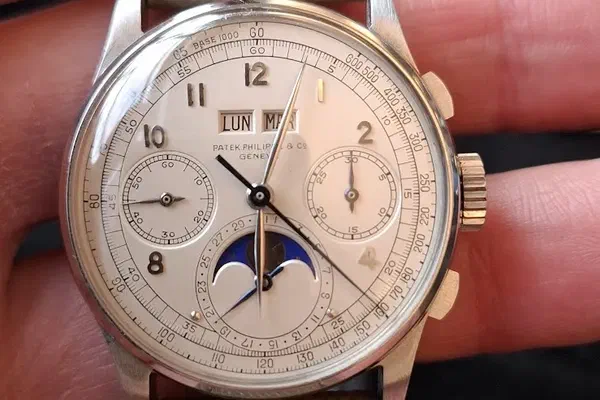
The Geneva sales in November and May are fixed points in the collecting calendar. This time the talk was dominated by two steel Patek Philippe 1518s and the question of restoration. Below are those, followed by highlights from the Phillips and Sotheby’s previews, with results where we noted them.
Two steel 1518s and the question of restoration
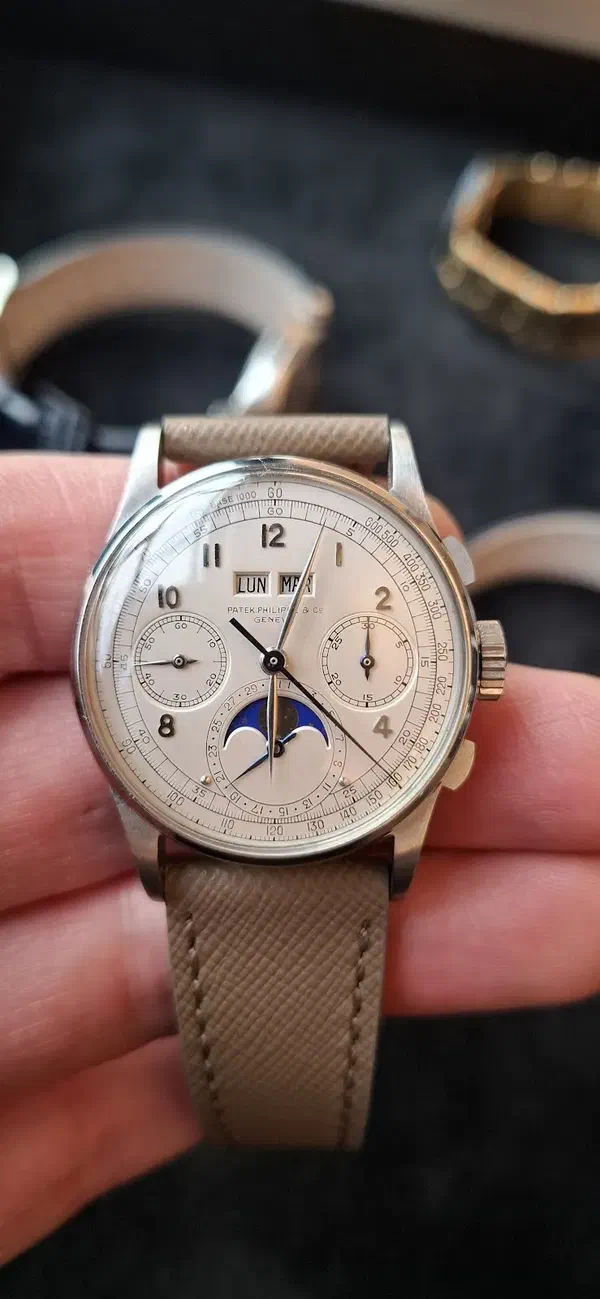
Two Patek Philippe 1518s in steel were on the market at the same time: one offered privately by Davide Parmegiani, the other at Phillips last weekend. Only four 1518s in steel were made, so half of them were available at once, and a good deal was said about it.
Our own understanding of dials comes largely from Dr. Helmut Crott, who taught us for more than ten years. We remember the work on his book Le Cadran, and sitting down at the auction houses with the late Roland Thile, who worked for Cadran Stern and had been an apprentice of Maurice Thiévent, the master engraver of the period when the great Patek Philippe references were made. Together we took important watches apart to examine their dials in detail. From those sessions we learned that the dials of the steel 1518s were engraved by hand and the indices cut out by hand; in the photographs of the four examples in Auro Montanari’s book, one can see that each is slightly different. A great deal of craftsmanship went into these dials.
Viewing the Phillips 1518 in the metal, there is no doubt that it has seen restoration. Yet the vertical satin finish of the dial looked very fine and original, not rough. The engraved and enamelled elements looked original rather than reprinted, and there was no sapon over the hand-cut indices. A photograph of the back of the dial showed pleasing oxidation, which is a good sign: a dial with no oxidation at all on the reverse has almost certainly been restored extensively, including re-silvering. Overall the watch looked very pleasing. As one of only four steel 1518s ever made, some degree of restoration has to be accepted; very few 1518s of any metal are untouched.
Both watches found buyers, and both new owners acquired one of the most legendary Pateks. We believe the restoration debate is only beginning. In our view, experts should agree on a procedure to declare the level of restoration carried out on a watch and its effect on value, while taking the rarity of the piece into account. Many factors would need to be weighed, and the glass is, as always, both half full and half empty.
Phillips
Favourites from the Phillips preview. Some sold during the Geneva weekend; others are offered in Hong Kong or New York. Prices include premium.
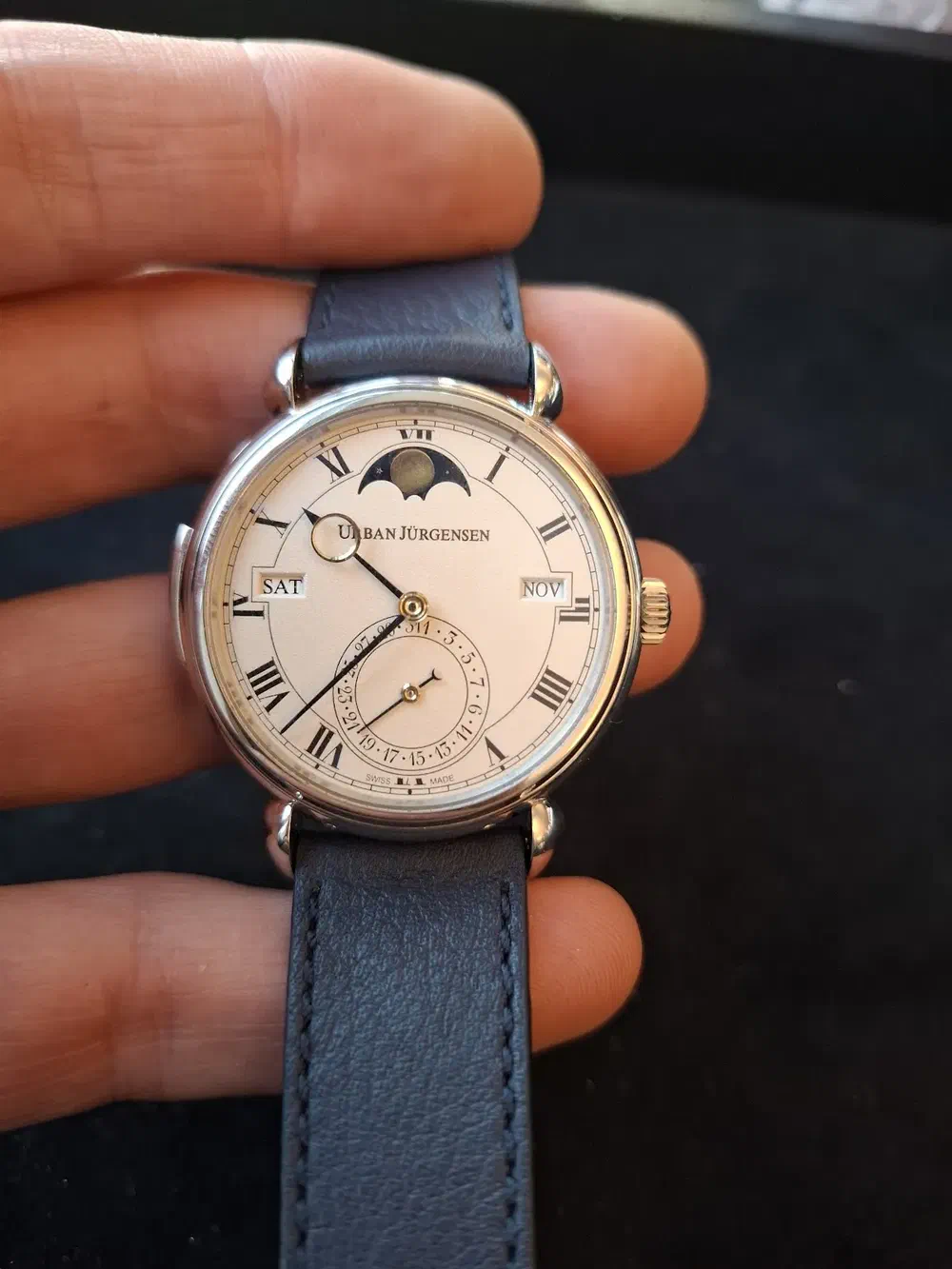
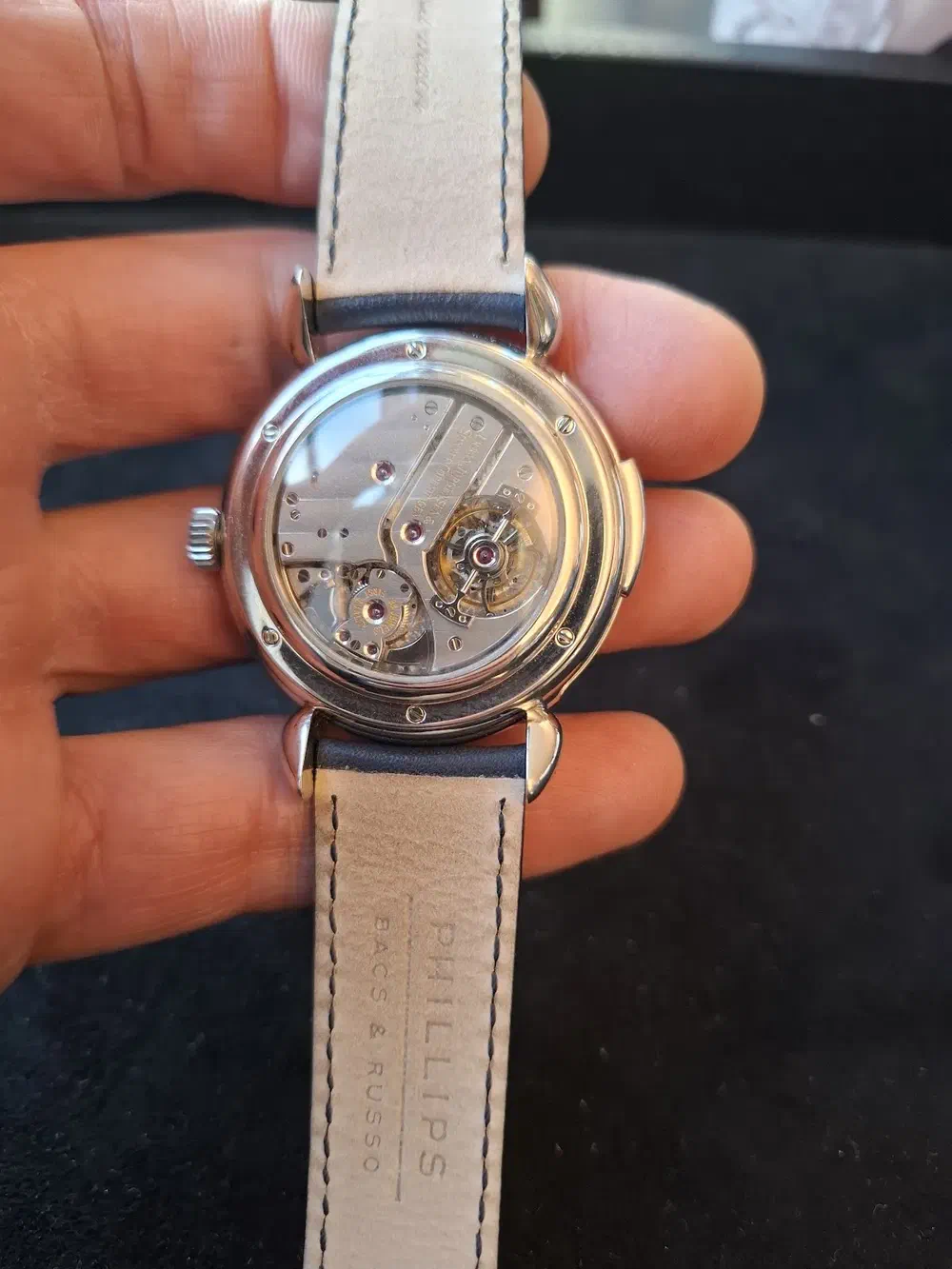
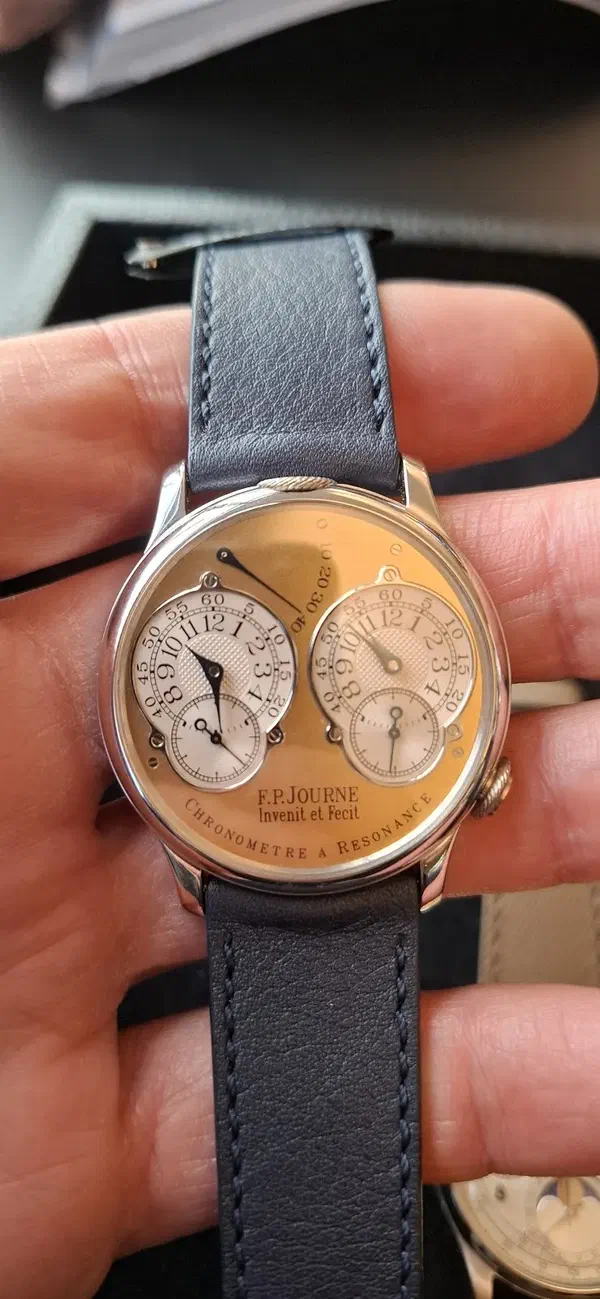
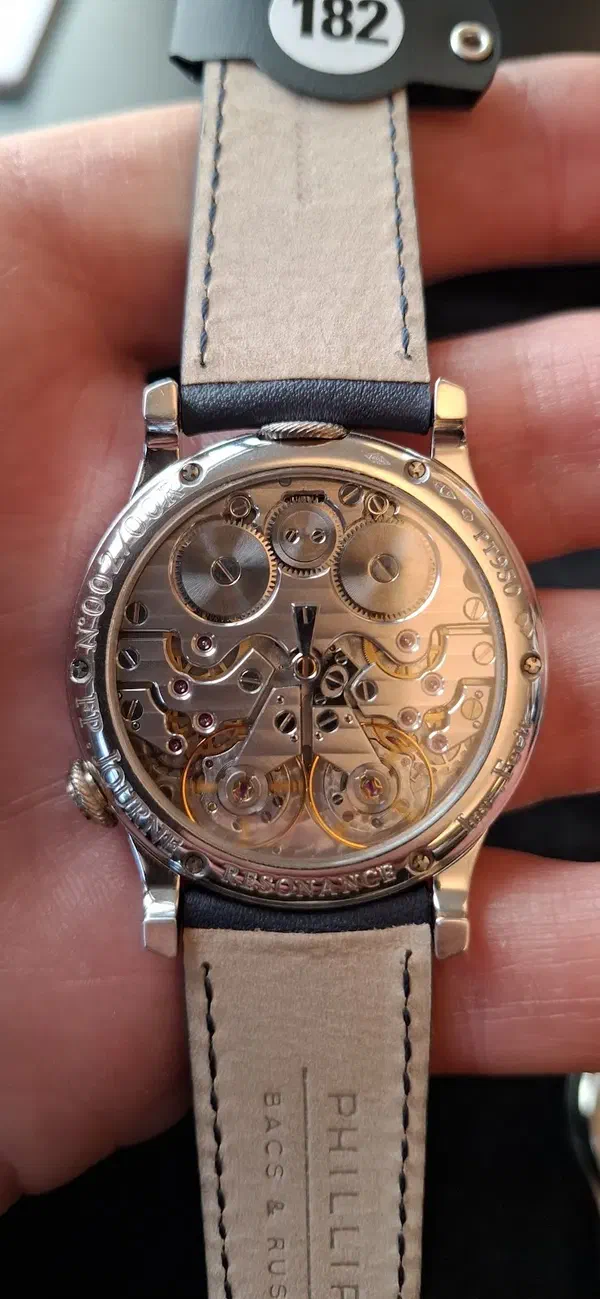
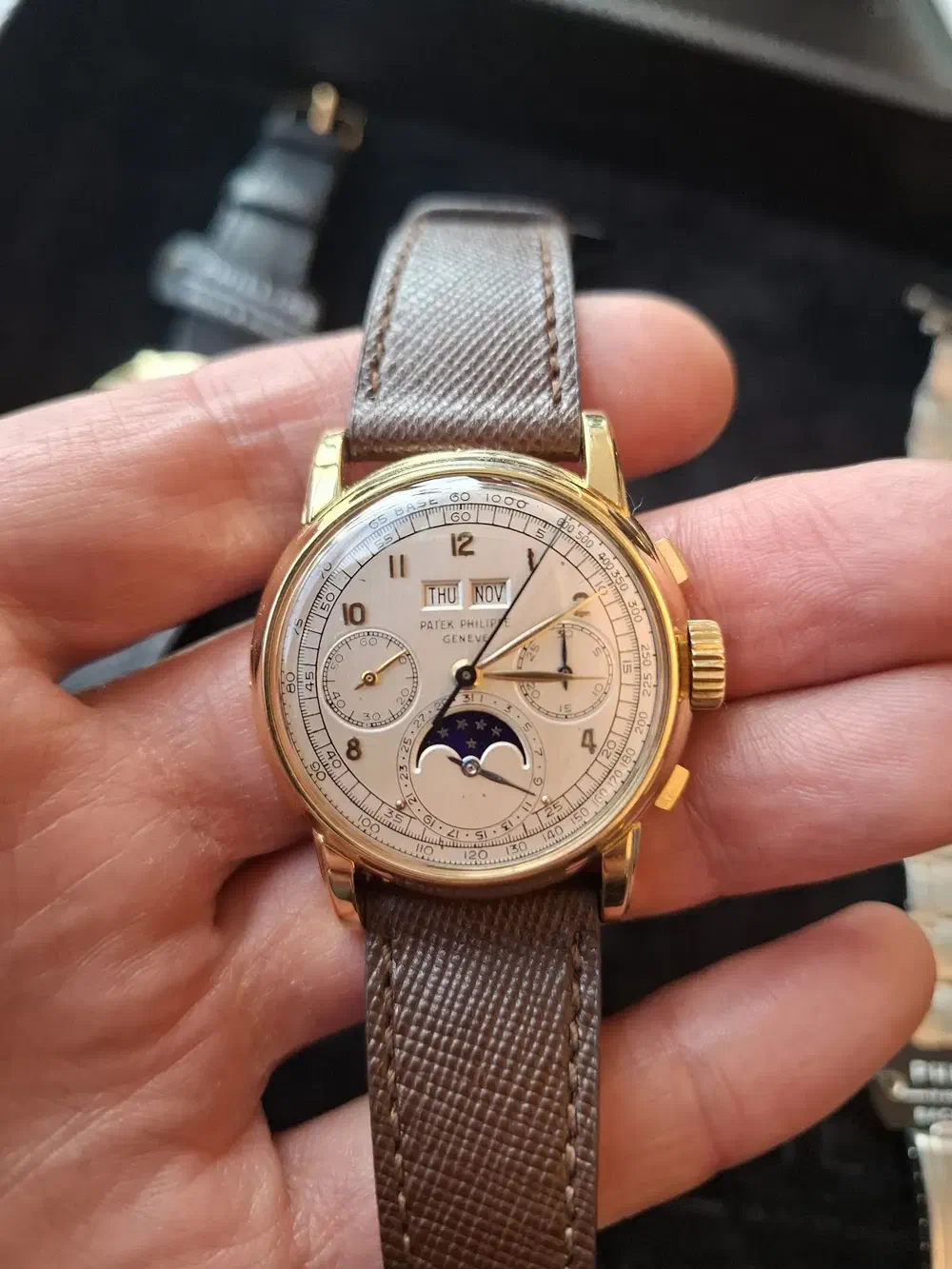
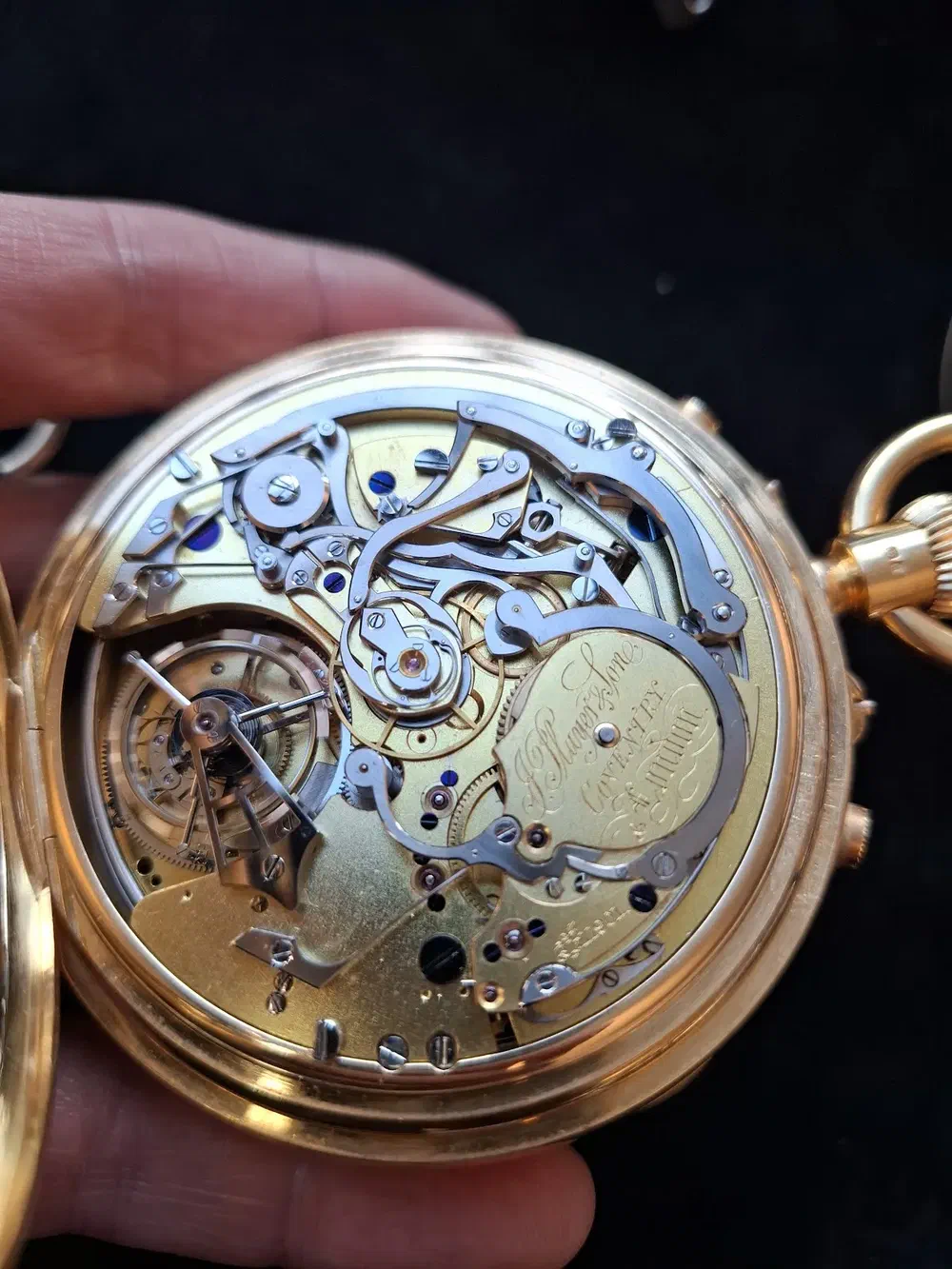
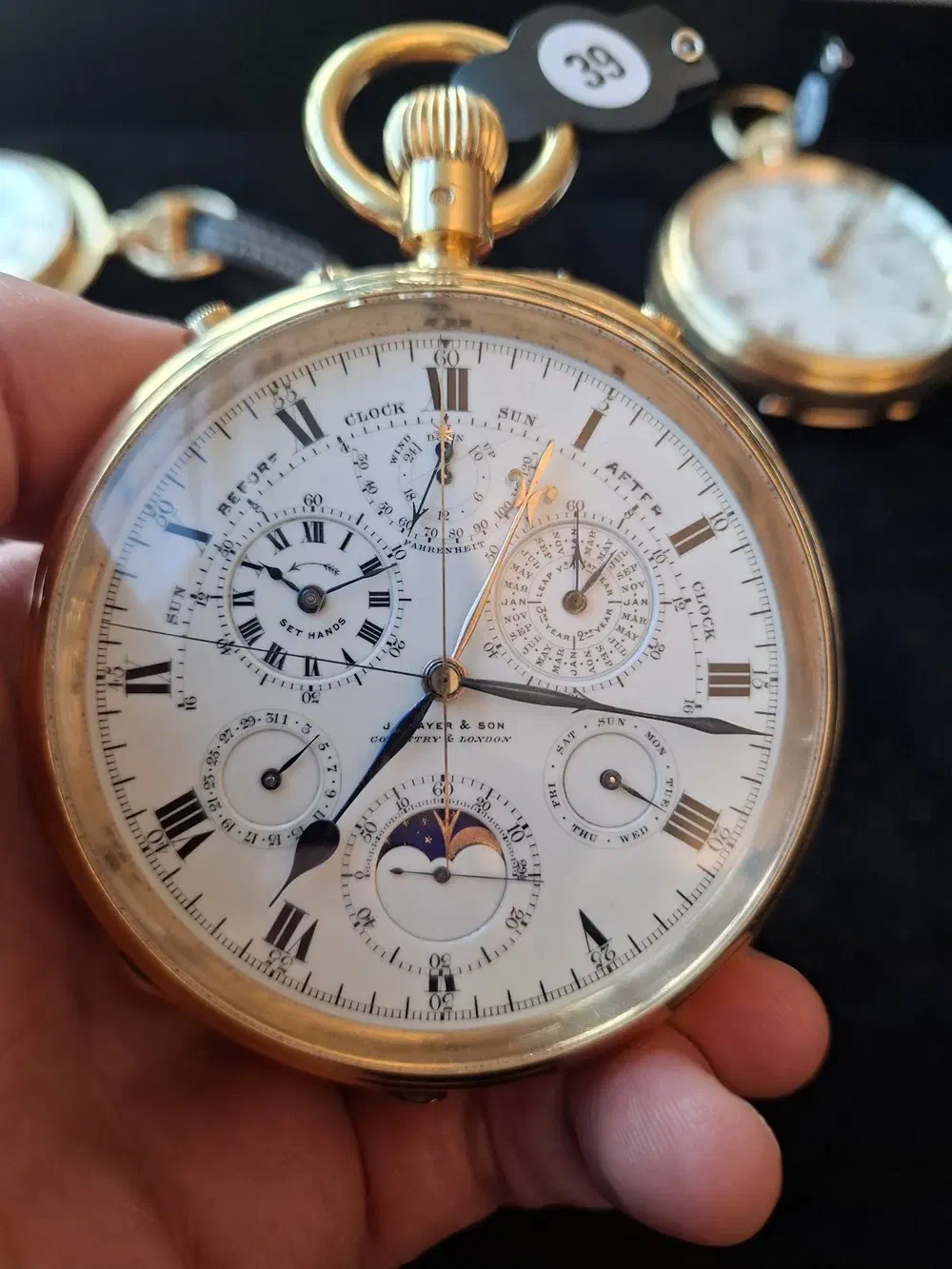
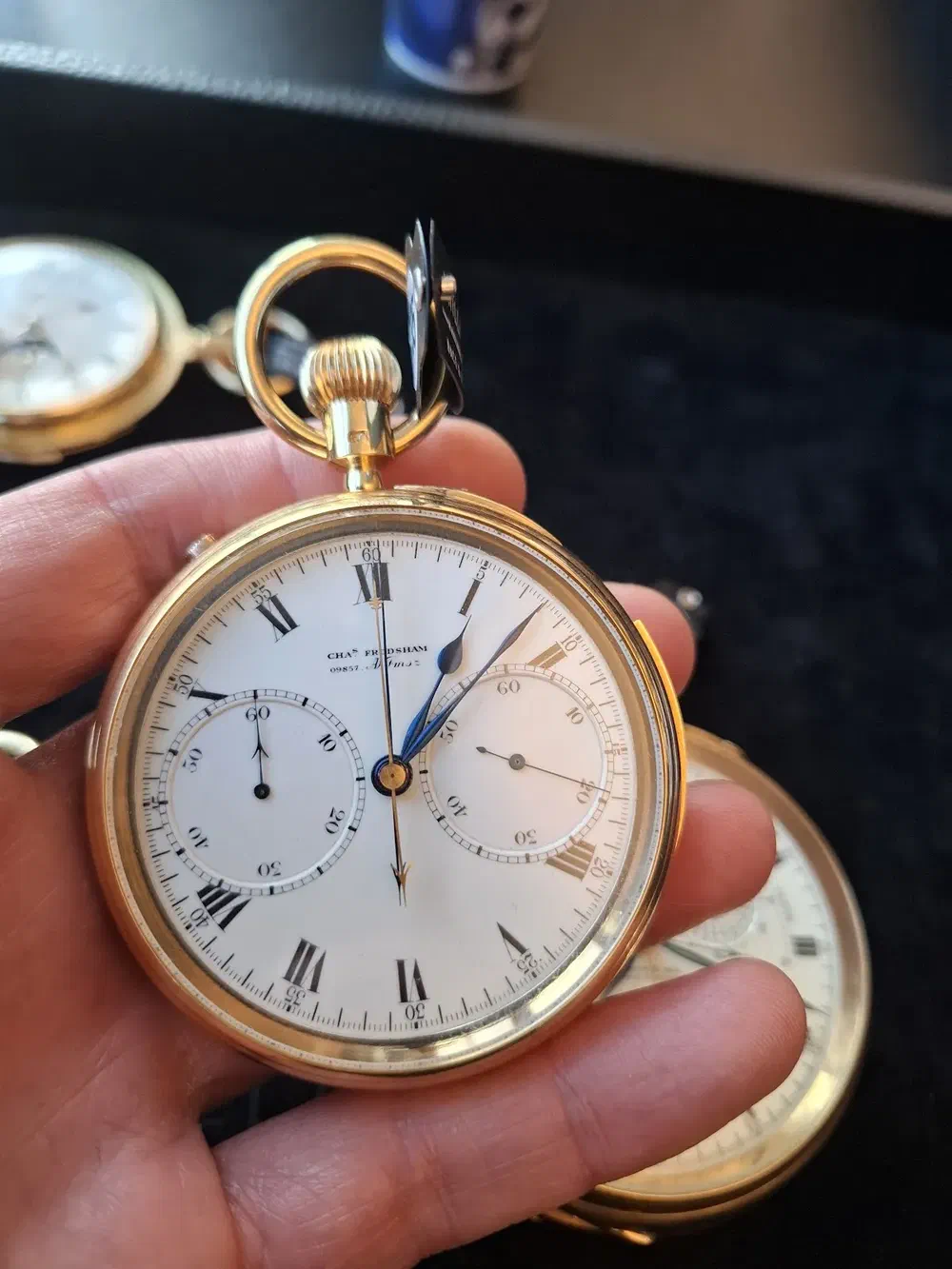
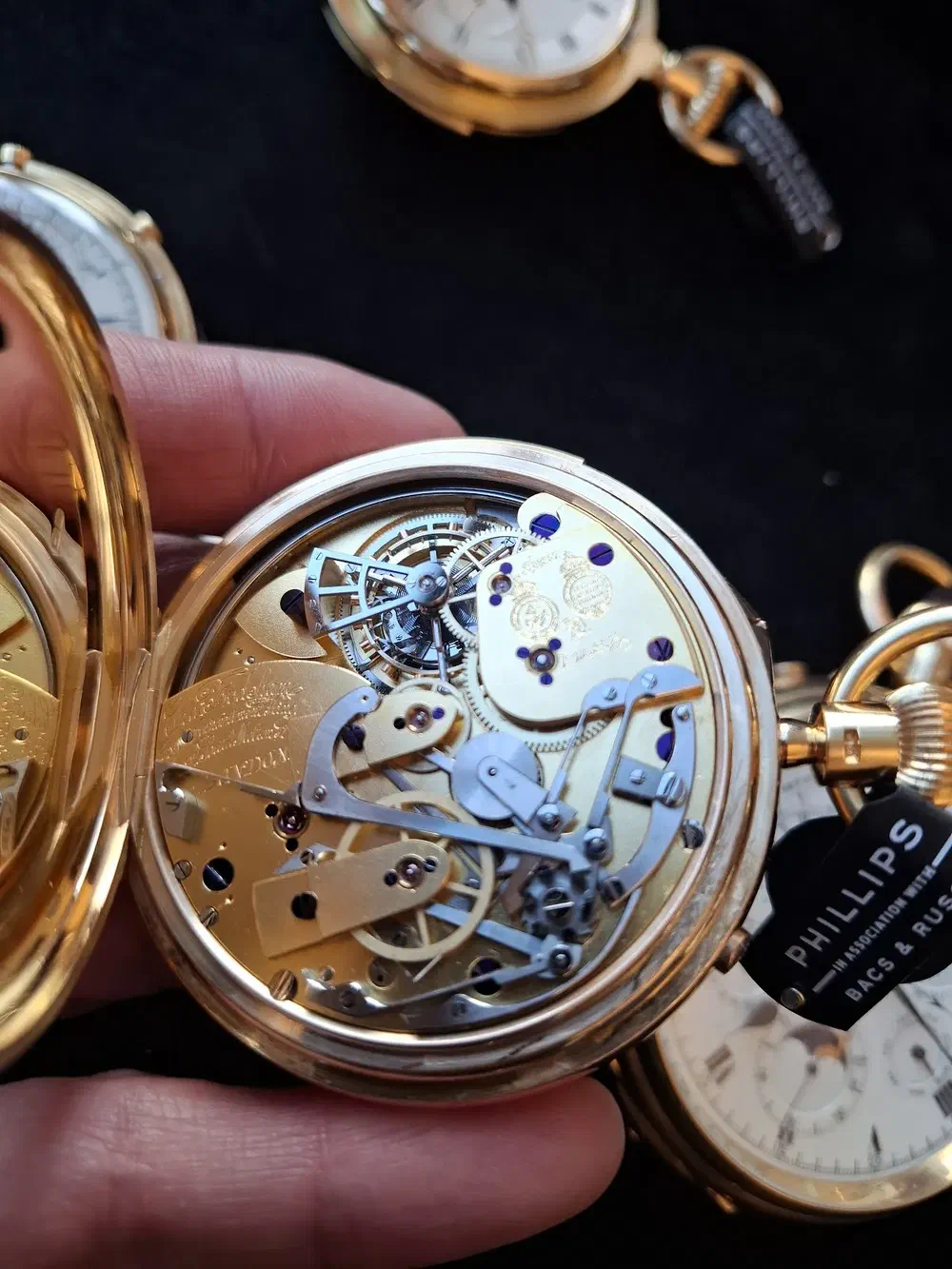
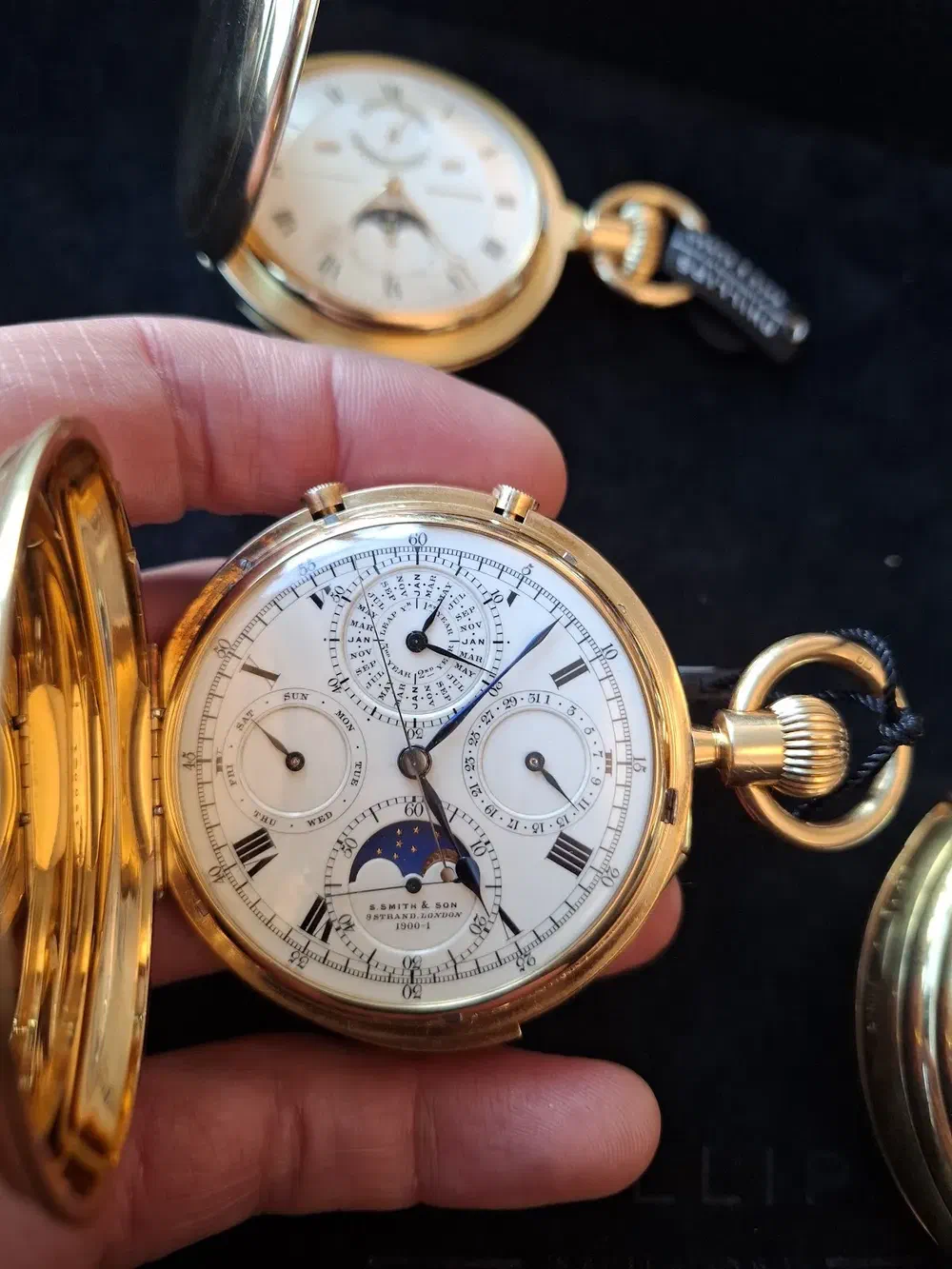
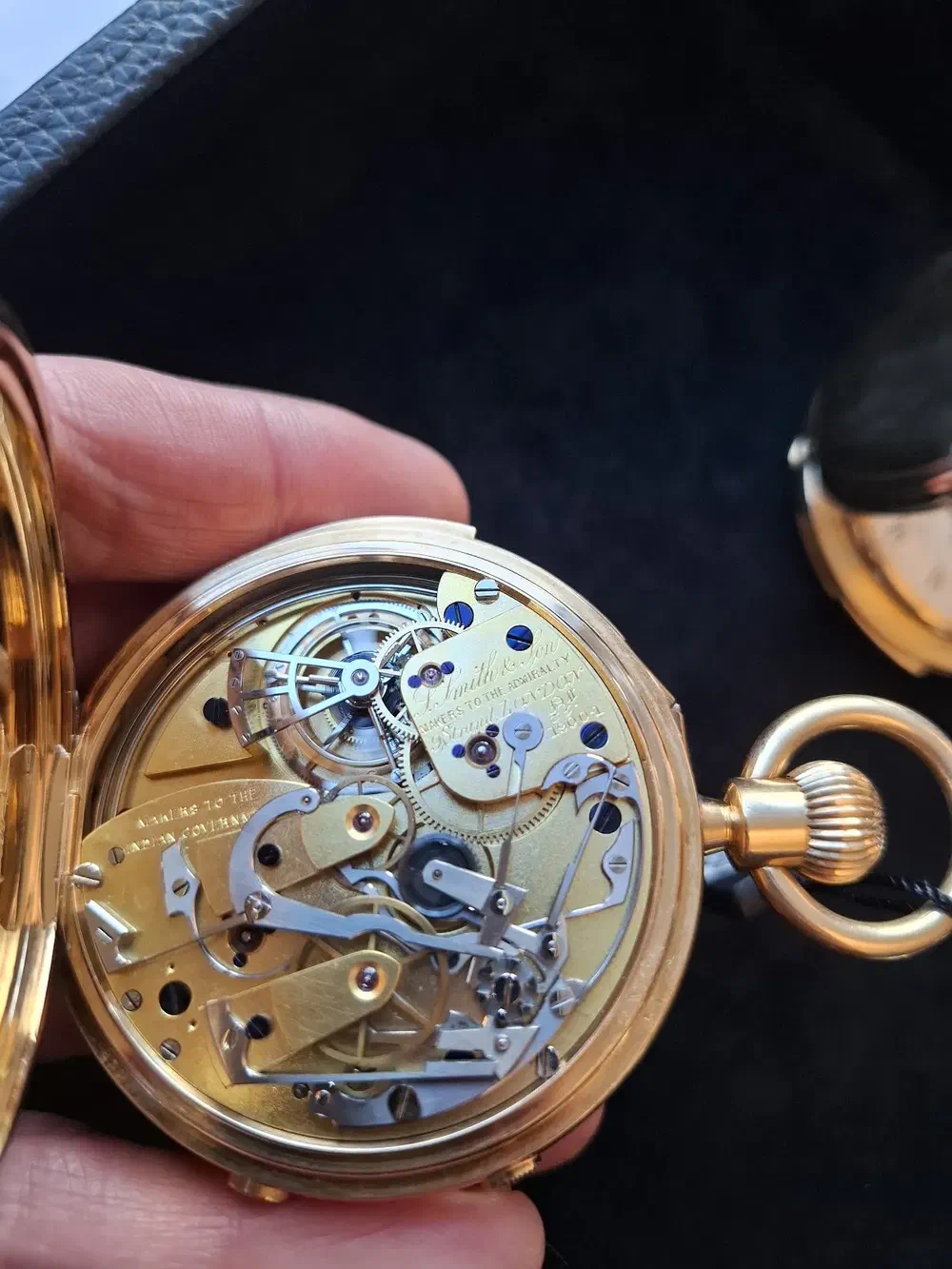
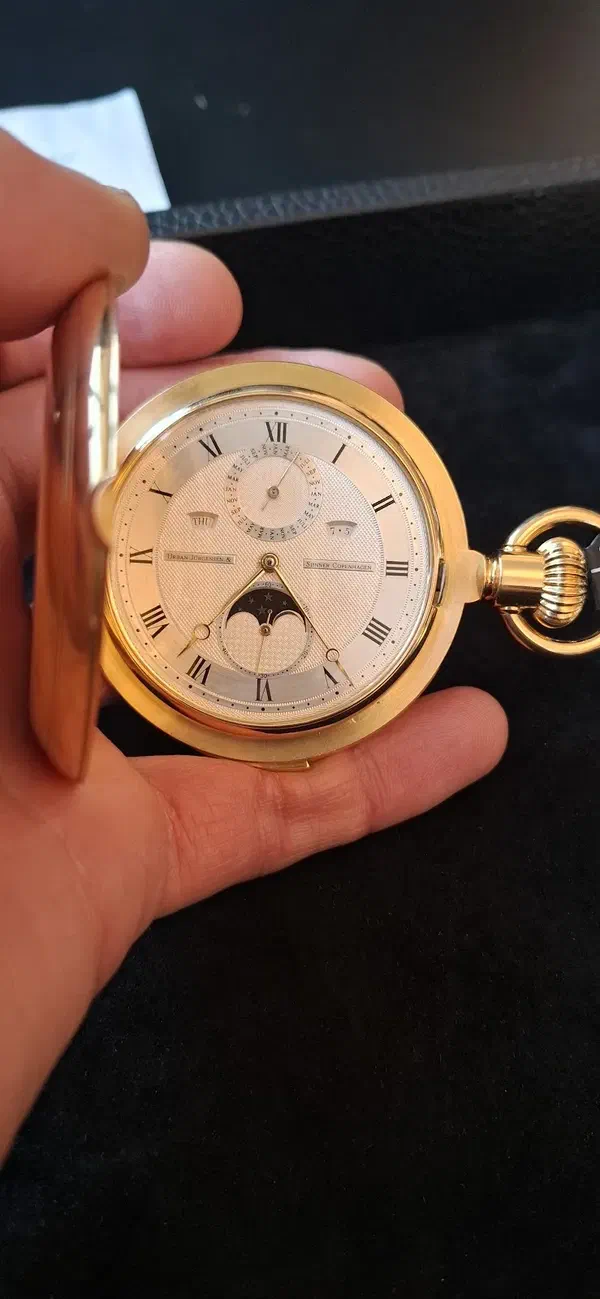
The Smith & Son and the Urban Jürgensen below were both, in our view, bargains.
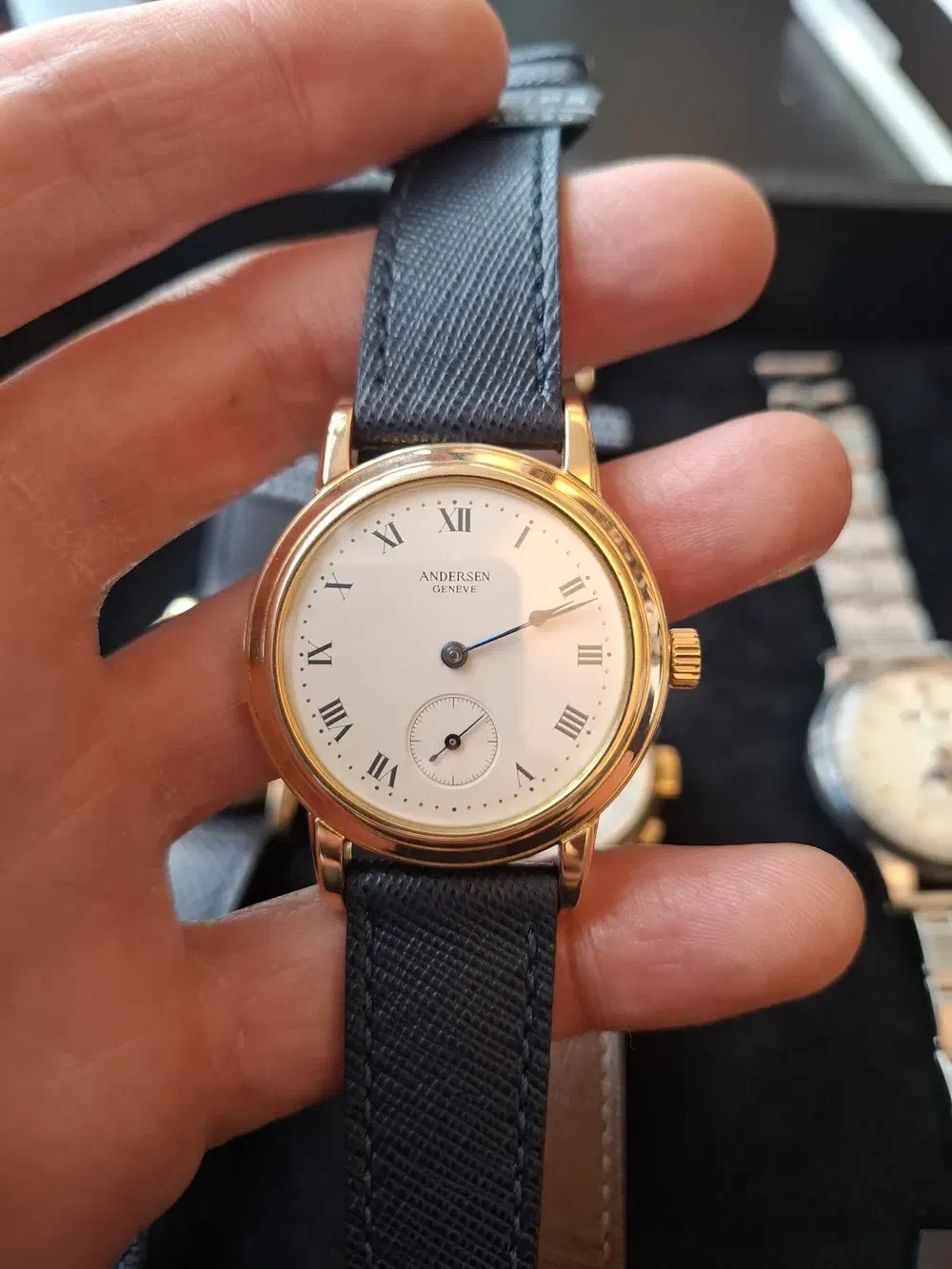
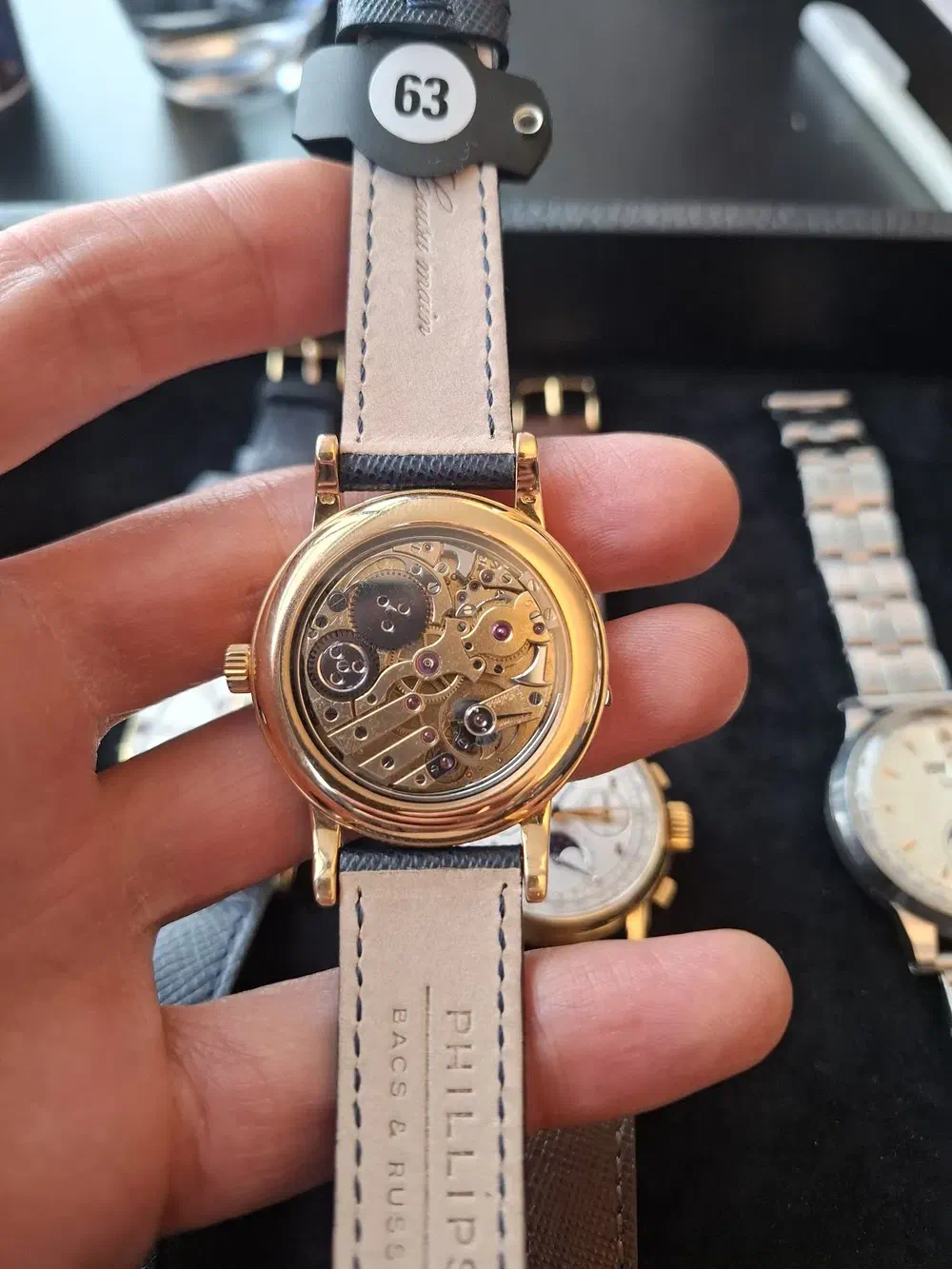
The Andersen Genève minute repeater has a case by the legendary Jean-Pierre Hagmann (JHP). A watch with a case by Jean-Pierre always brings him to mind, and what an extraordinary person he was; he was also a close friend of Svend Andersen and of Helmut Crott. At CHF 114,300 it was, in our view, another bargain.
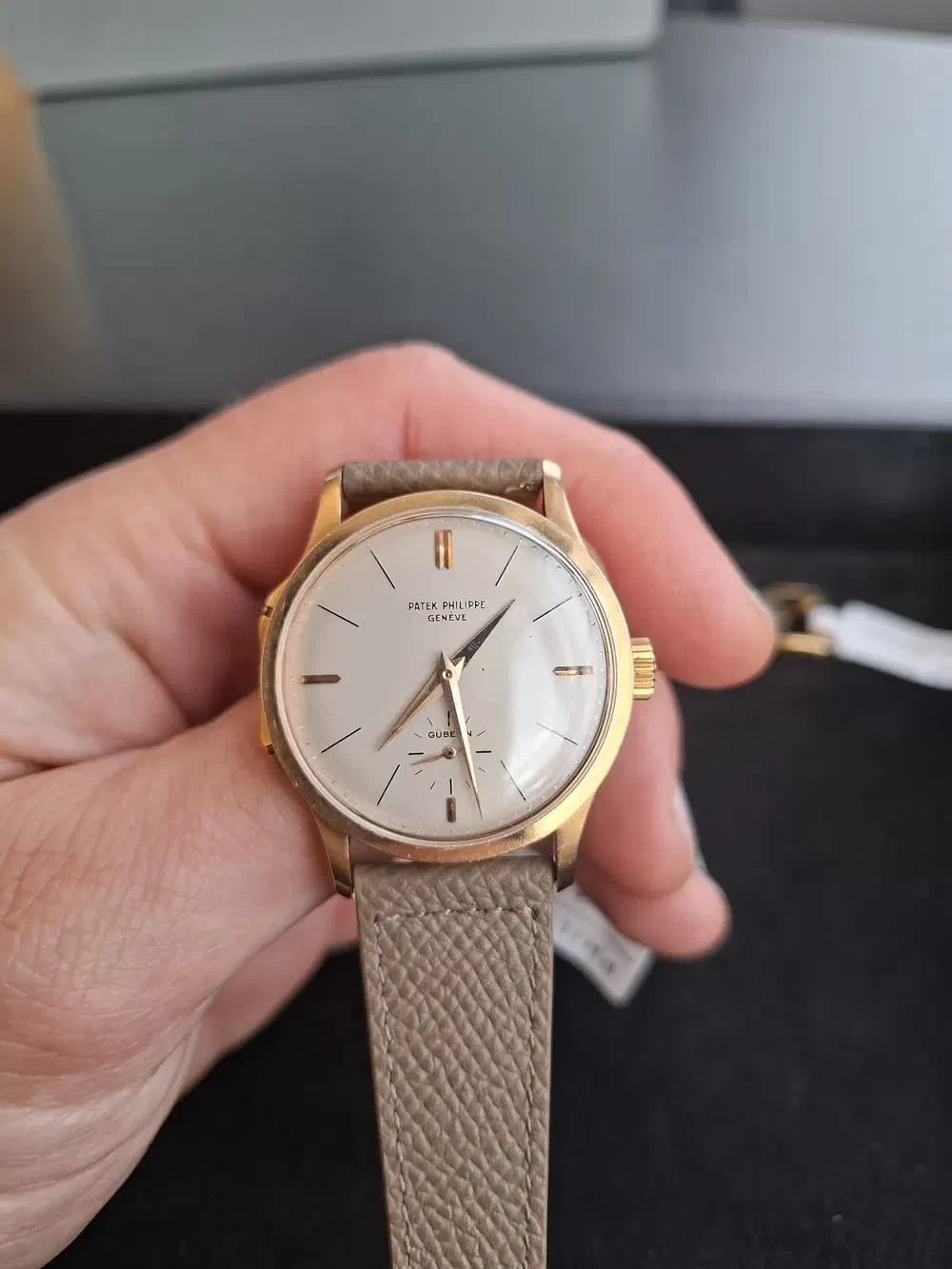
The Patek Philippe 2597 in pink gold is probably the best we have seen: perfect dial, perfect case, probably untouched. It is double-signed Gübelin and comes with extensive documentation, a real trophy. It will be sold in Hong Kong.
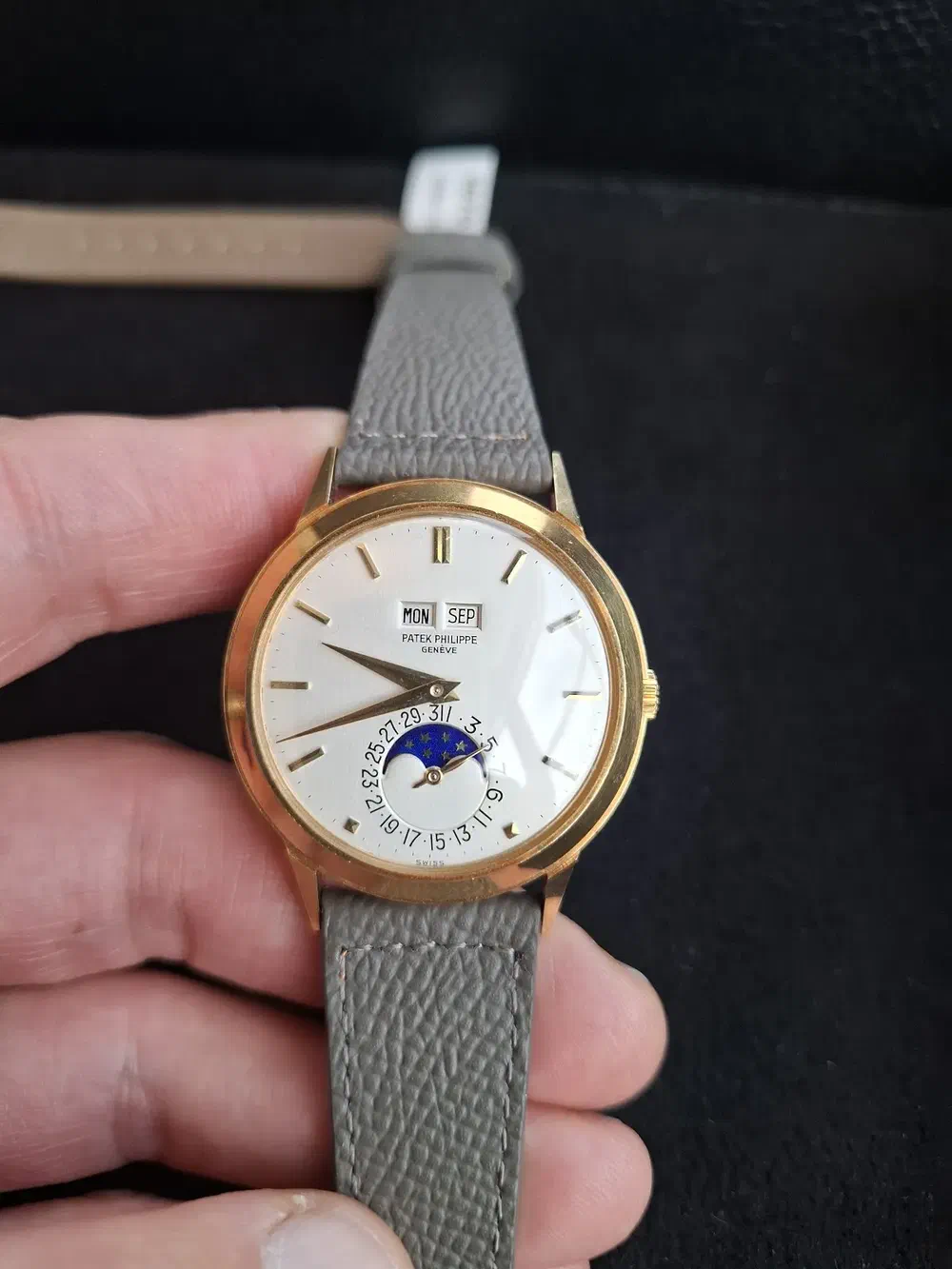
The Patek Philippe 3448J, also for Hong Kong, has a really sharp case; they are rarely seen so well preserved.
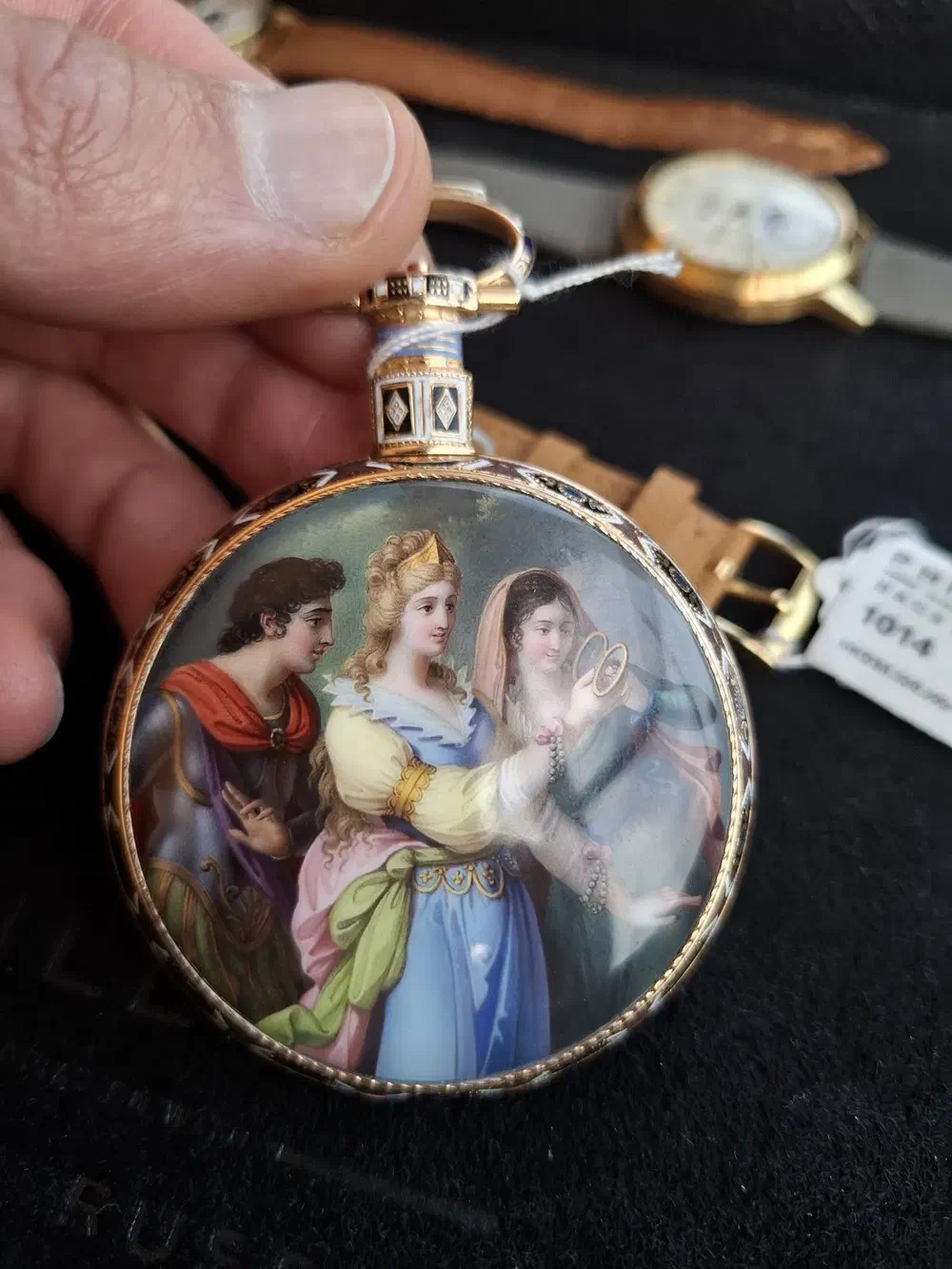
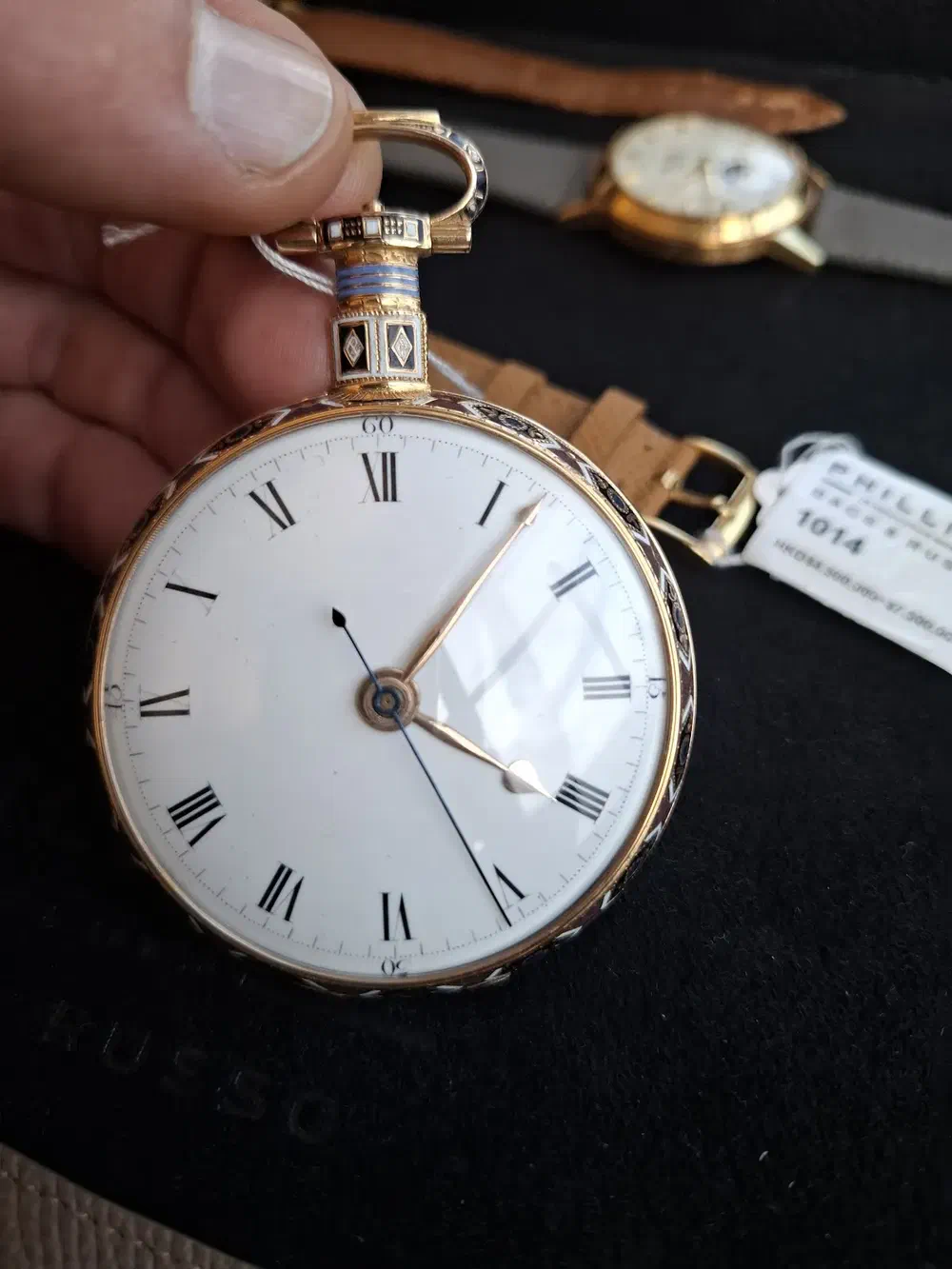
The William Ilbery with Dupont enamel, also to be sold in Hong Kong, is a work of art and, at its estimate, a bargain. Consider what it meant to own such a watch in 1820.
Sotheby’s: the Breguet 250th anniversary sale
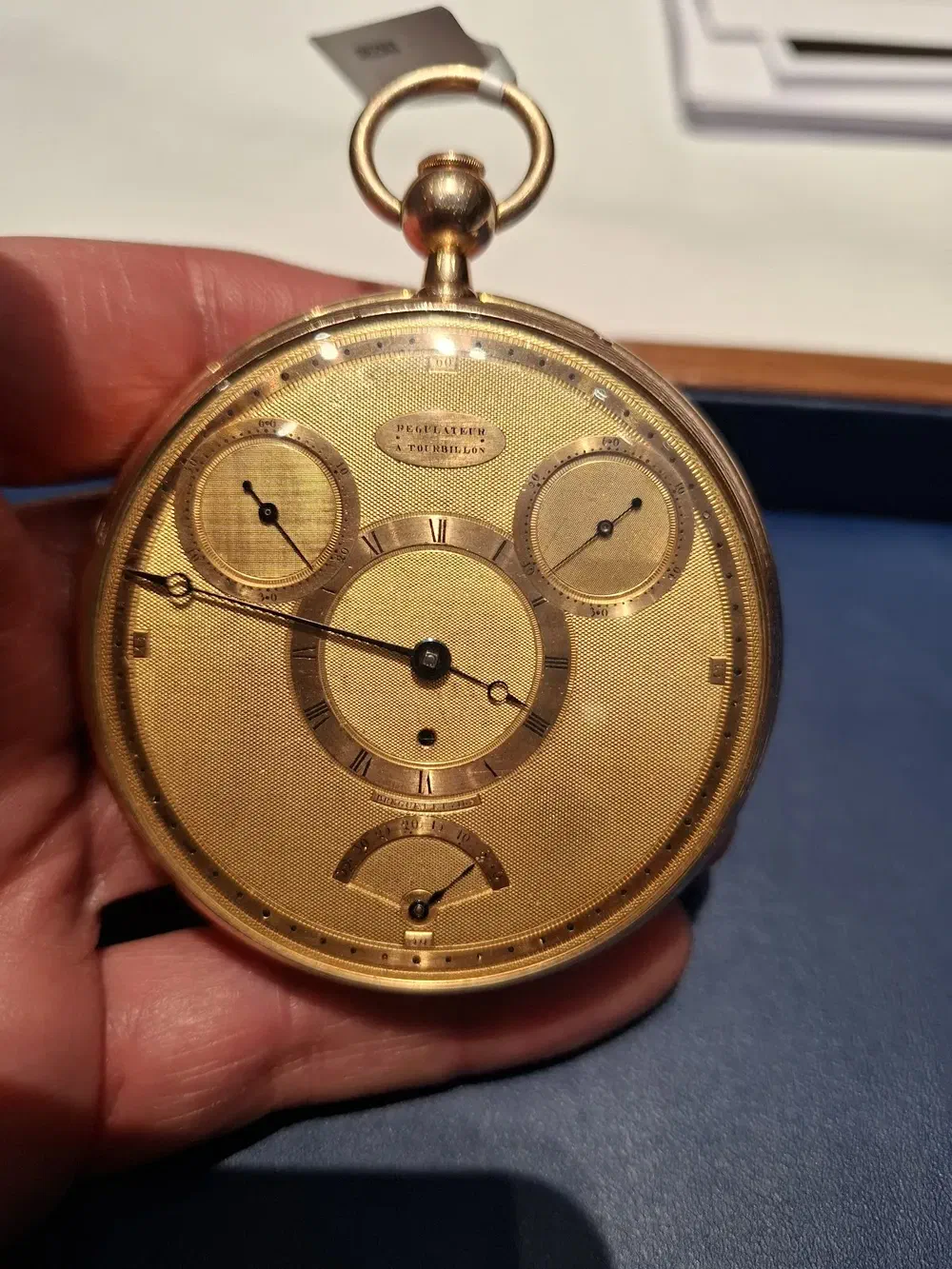
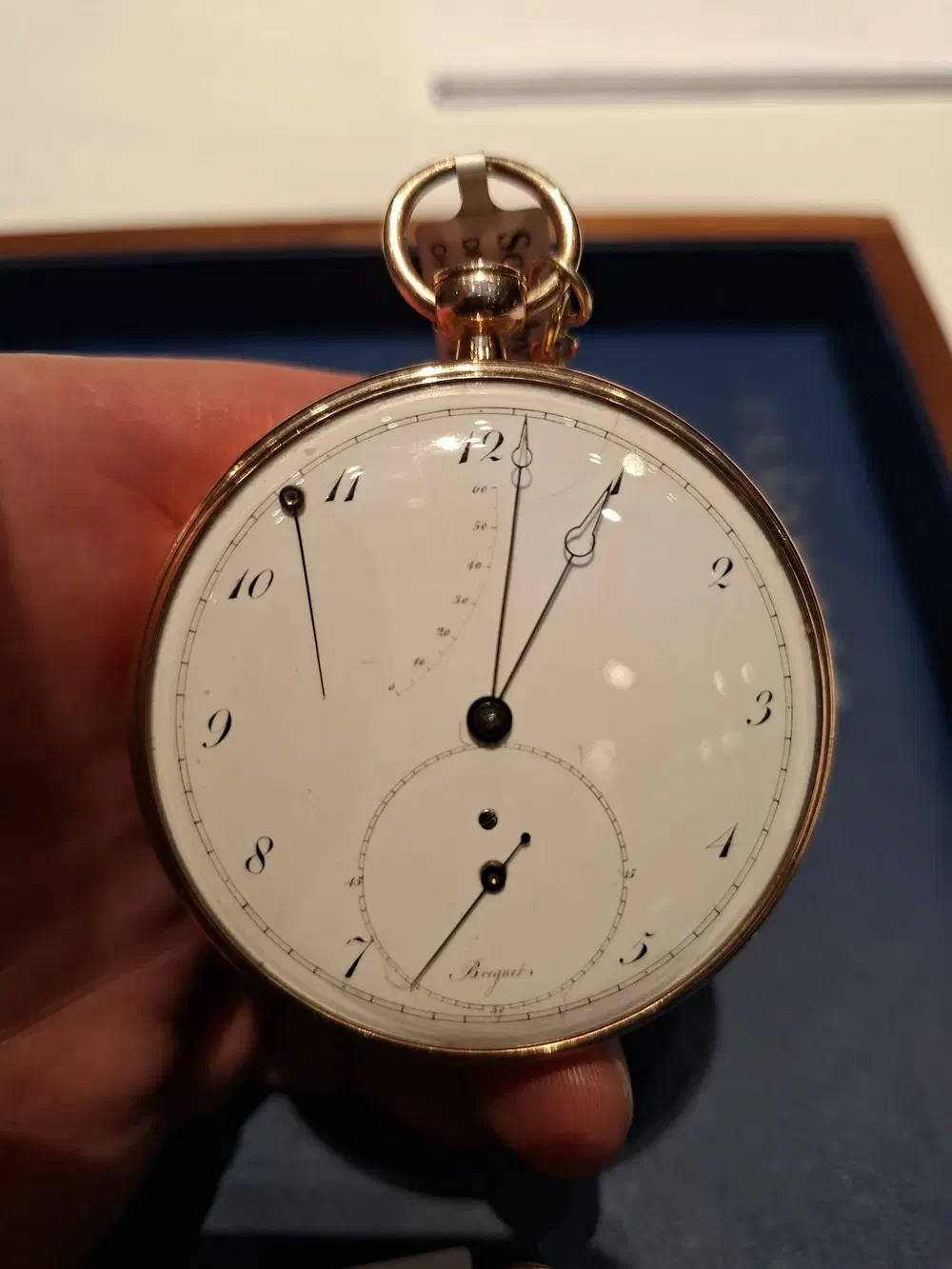
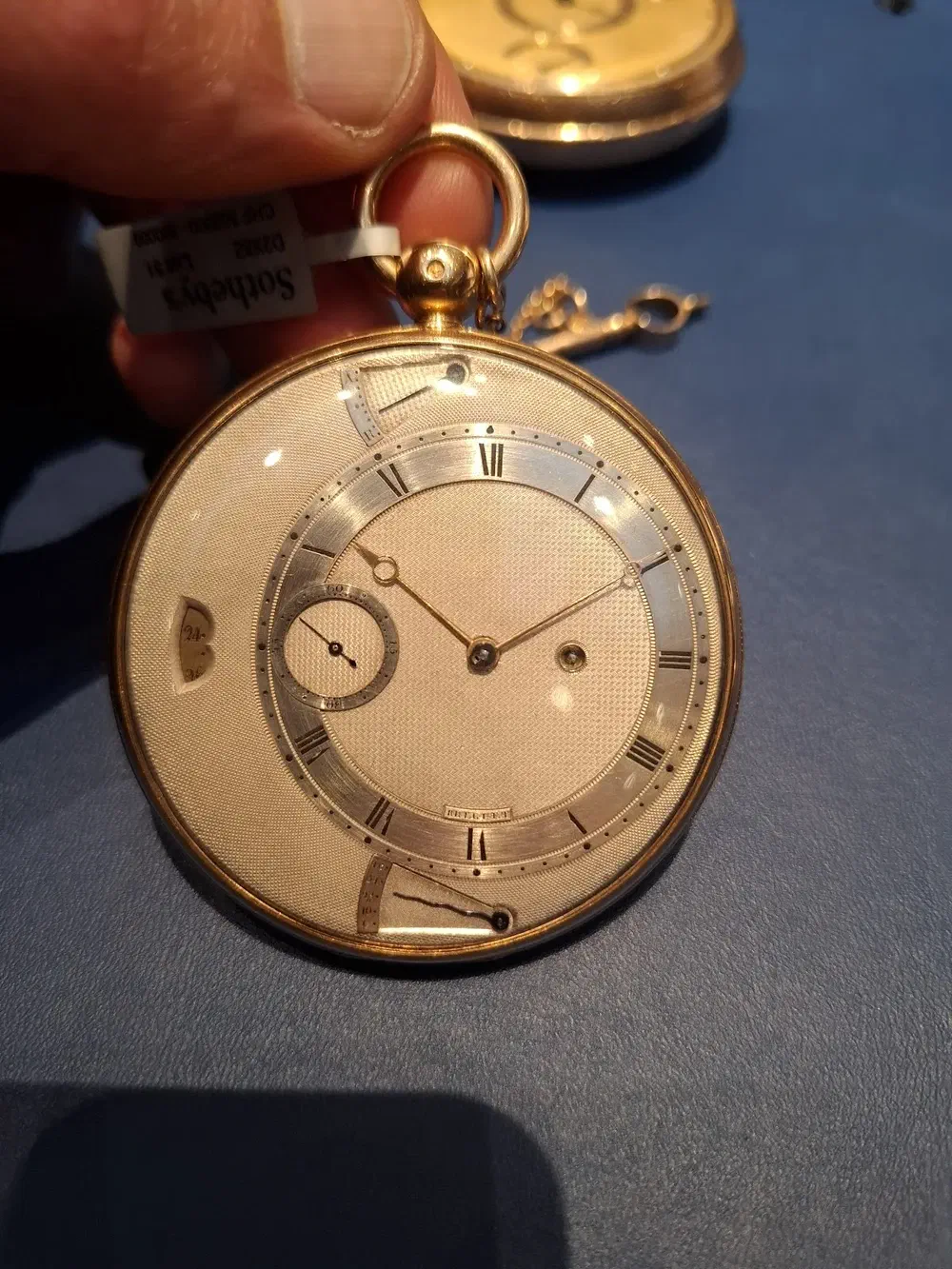
Four of our favourites from Sotheby’s sale marking Breguet’s 250th anniversary. It is always an honour to see such historically important watches in person. The one thing we do not understand is that the early rattrapante went unsold. Only two such early rattrapantes were made by Breguet, which makes it seriously rare, quite apart from its historical significance. Even so, the results overall were very strong and showed real interest from important collectors in historical pieces.
Sotheby’s: the Olmsted collection
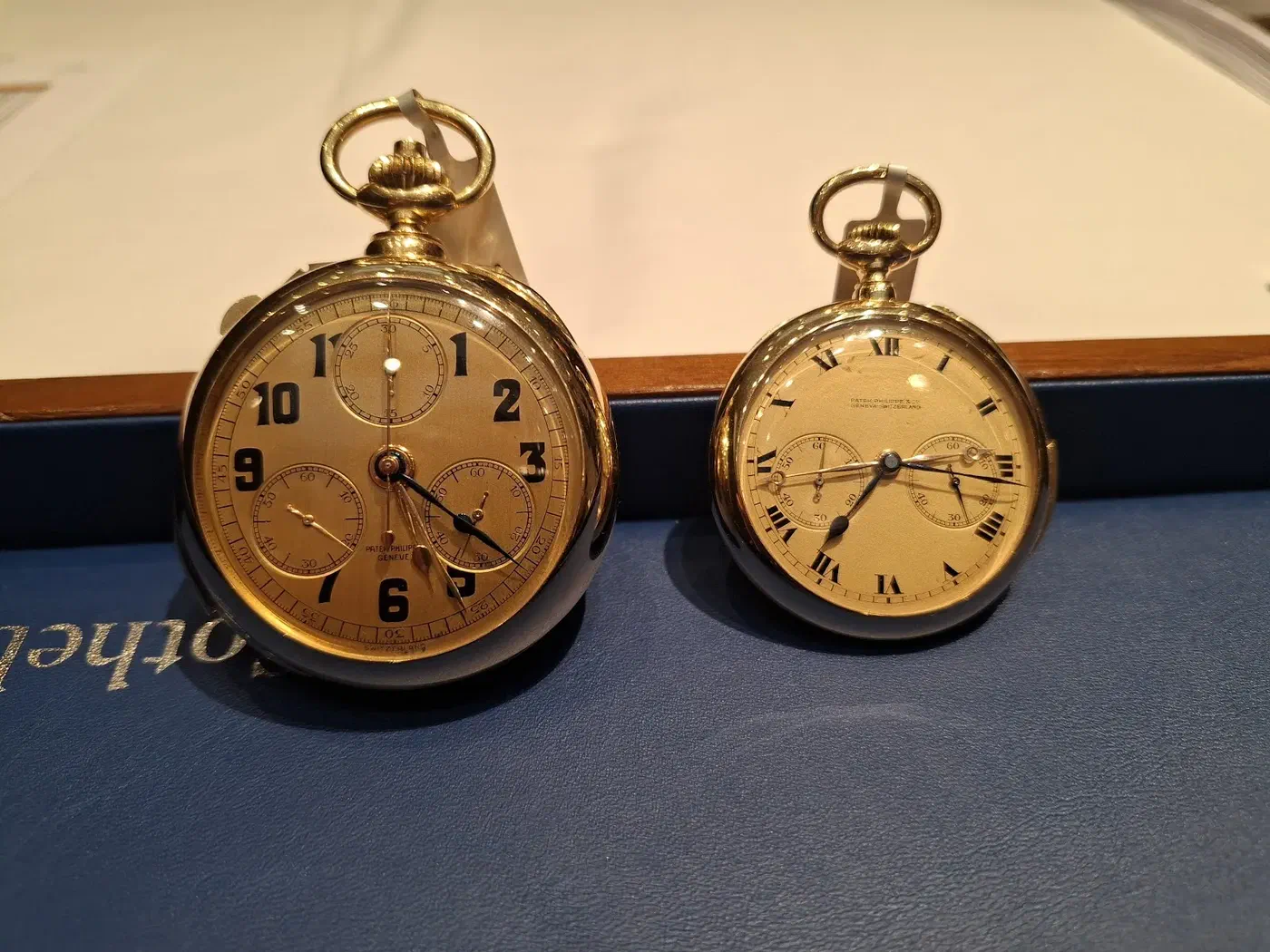
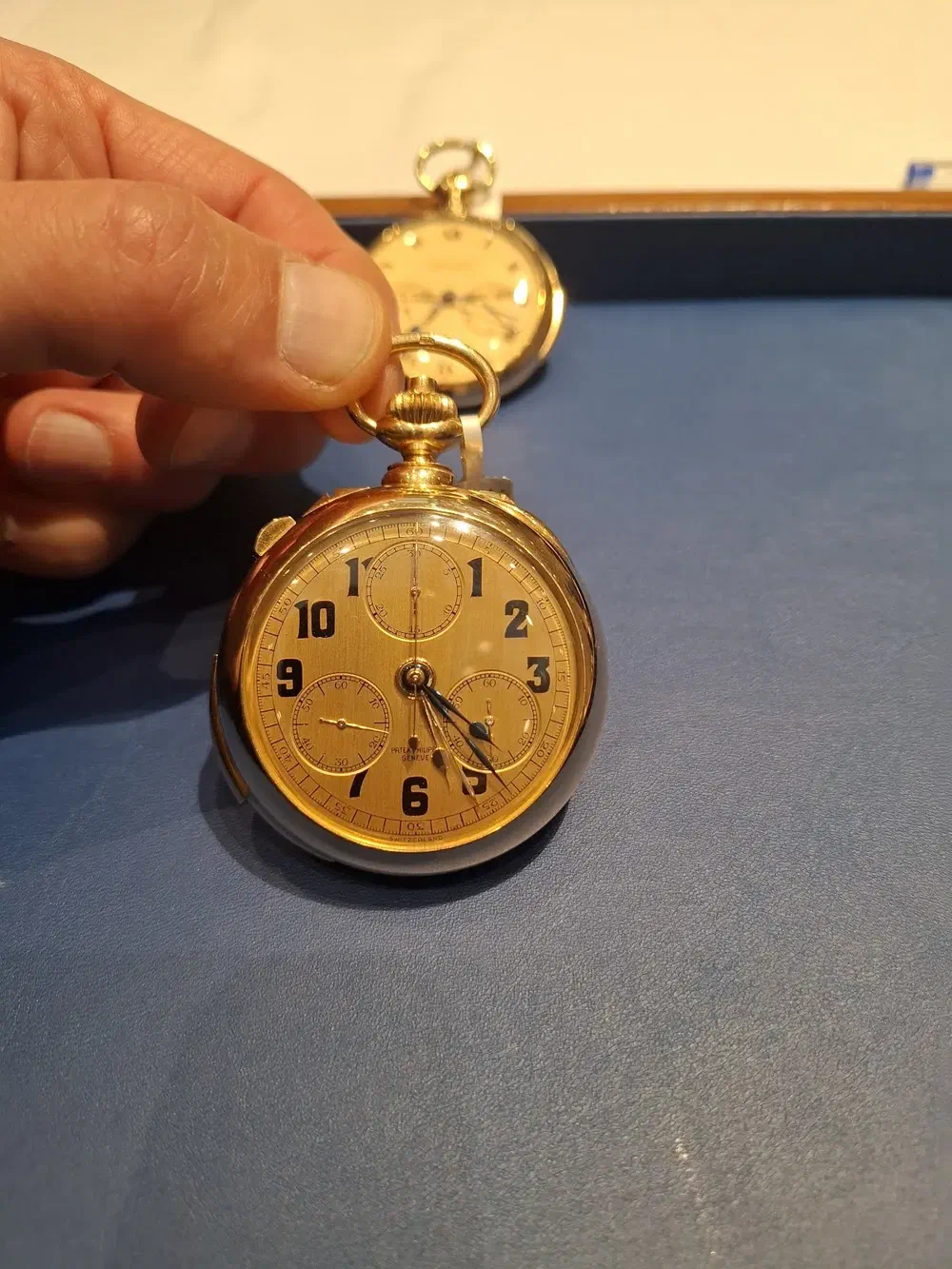
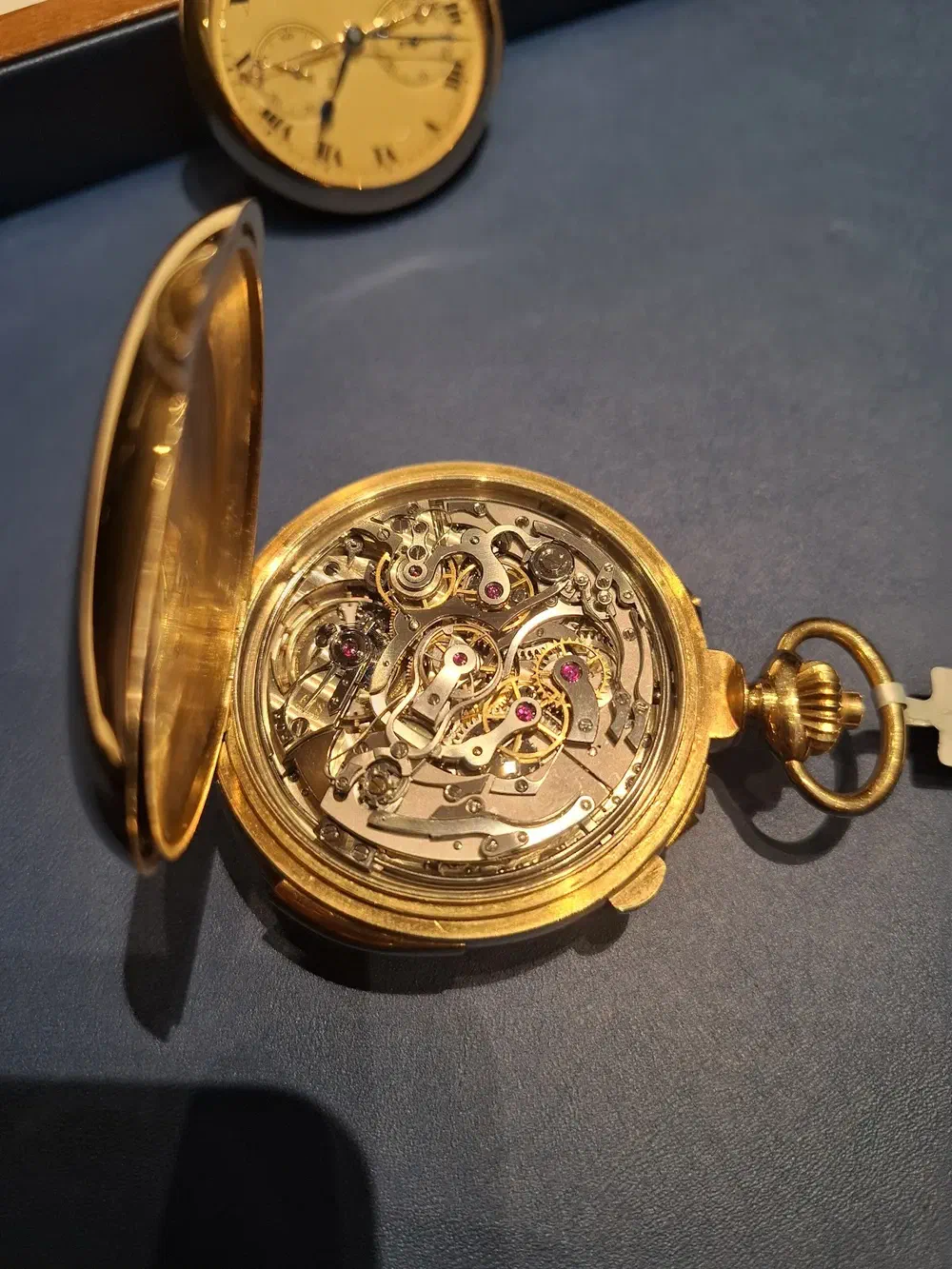
News of the sale was the discovery of two Patek Philippe pocket watches, each with a double movement, a feature not seen before. They were found by Daryn Schnipper in the Olmsted collection and were originally bought by a Mr. Morehead, until now unknown as a collector. He appears to have played in the same league as Graves and Packard, so one can only imagine what else may surface from the collection. Our thanks to Daryn for showing us these watches and explaining them.
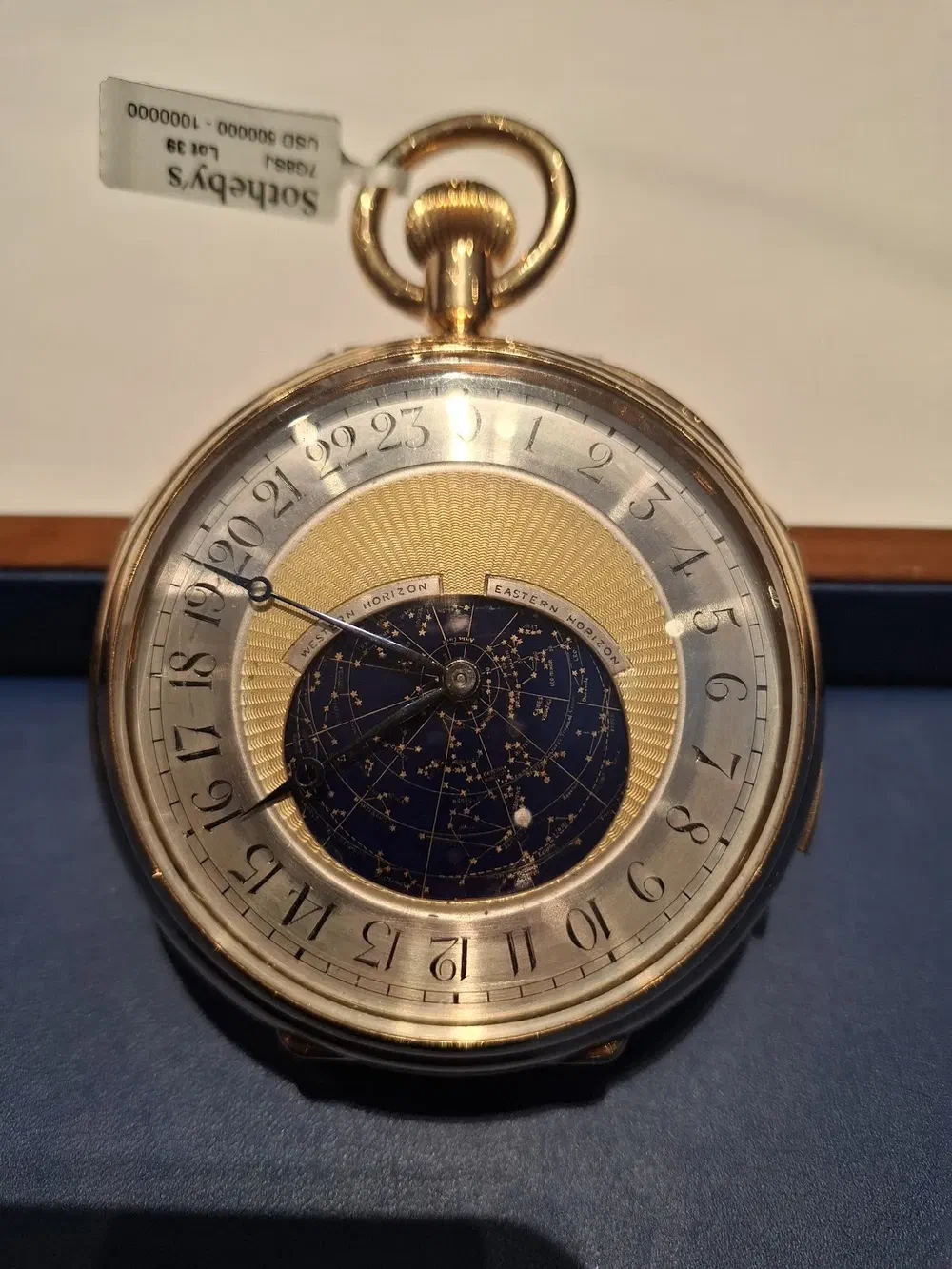
Another remarkable watch from the Olmsted collection is the Audemars Piguet / Smith & Son “Grosse pièce” Celestial Grand Complication of 1921. If we are correct, it is the only watch with a celestial double dial apart from the LeRoy 1 (1904), the Packard (1927), the Graves (1933) and the Calibre 89 (1989), and the only one with a tourbillon. That it predates the Packard and Graves invites speculation about what their owners made of it. Also worth counting are the John Player & Son Astronomical watch (c. 1909), made for J.P. Morgan, with a tourbillon but only an annual calendar, and the J.W. Benson Grande Complication (c. 1900), with a triple chronograph and concealed date for the equation of time, but no perpetual calendar. Both have white enamel celestial dials.
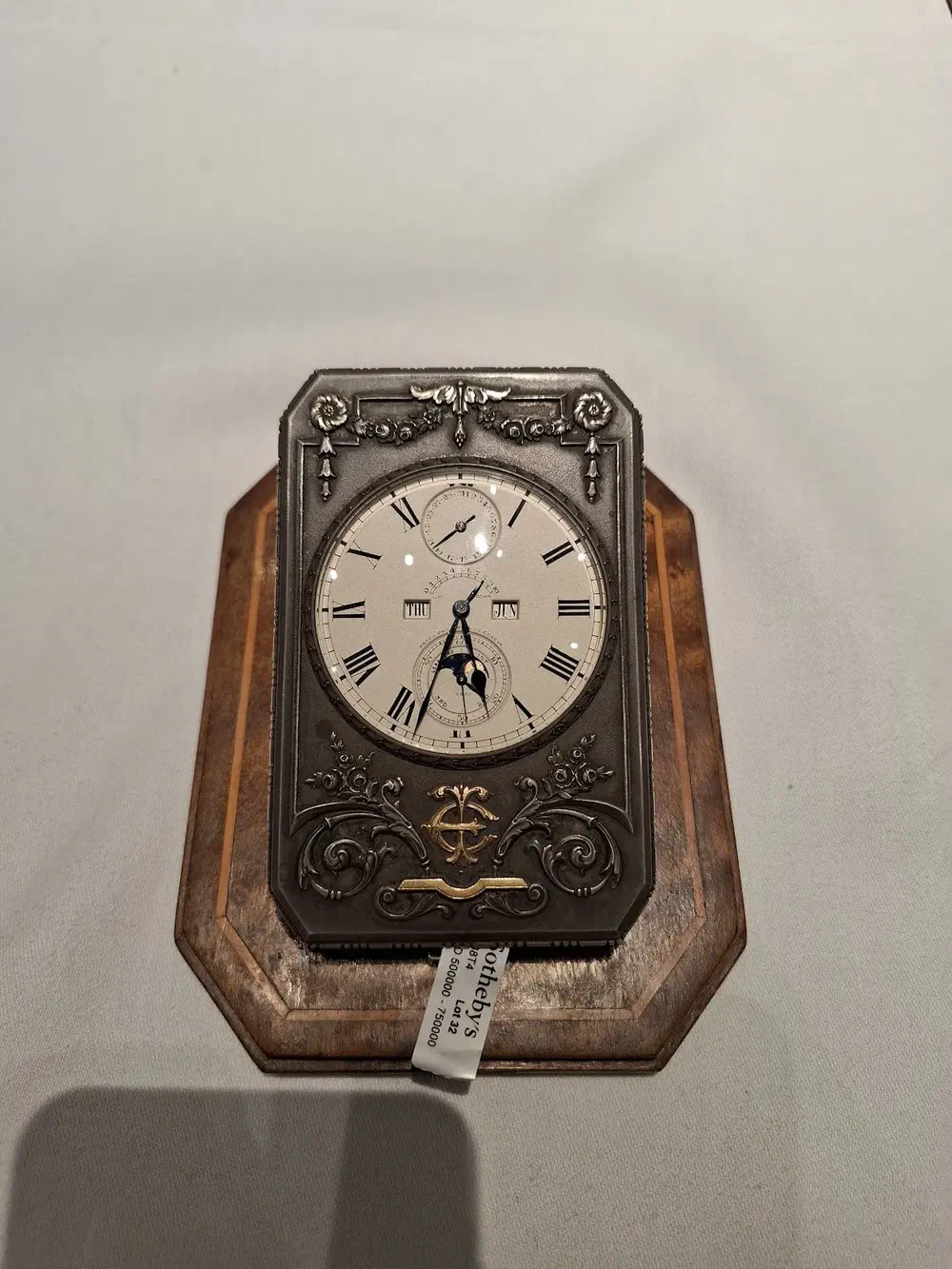
Finally, a Patek Philippe paperweight clock, originally made for Thomas Emery and rediscovered by Daryn Schnipper in the Olmsted collection. We were told Mr. Olmsted kept it on his bedside table.