Different types of dials – épargne, silver satin, Stern & Lemmerich
Collecting · · by Christian Bissener
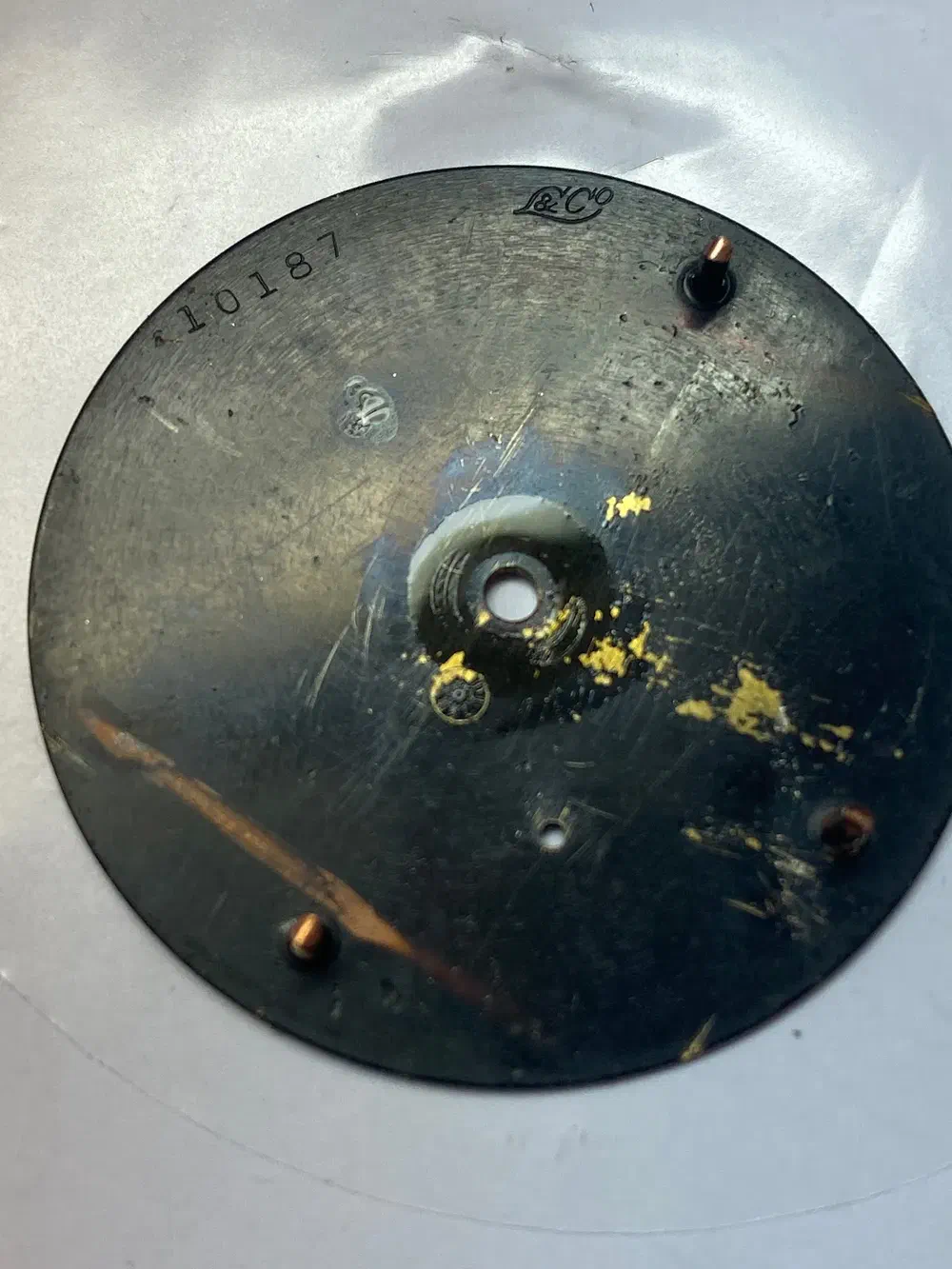
Three dials in untouched, unrestored condition, and what they should look like. It is just as important to examine the back of the dial in every detail, and above all to know where and what to look for.
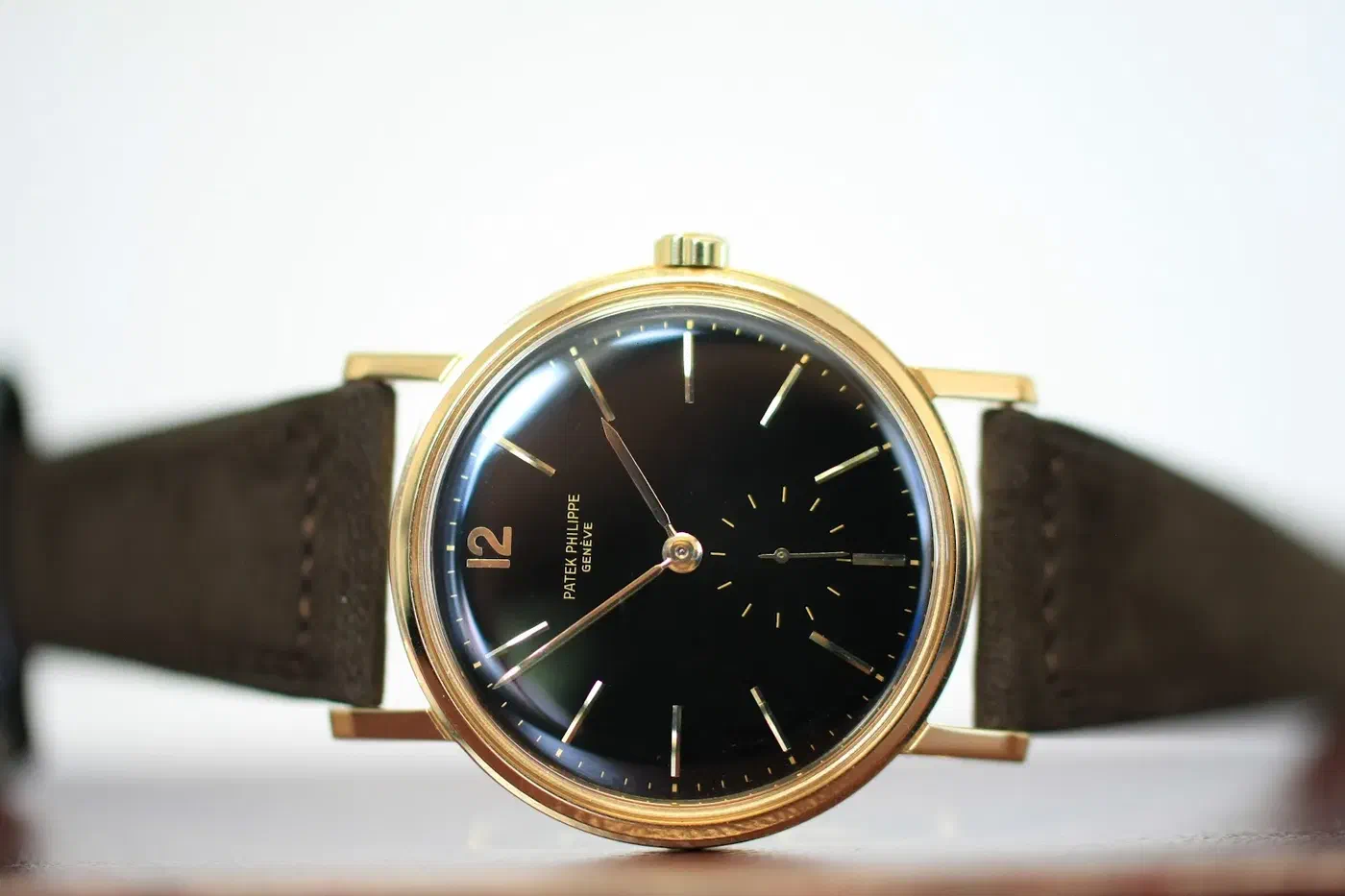
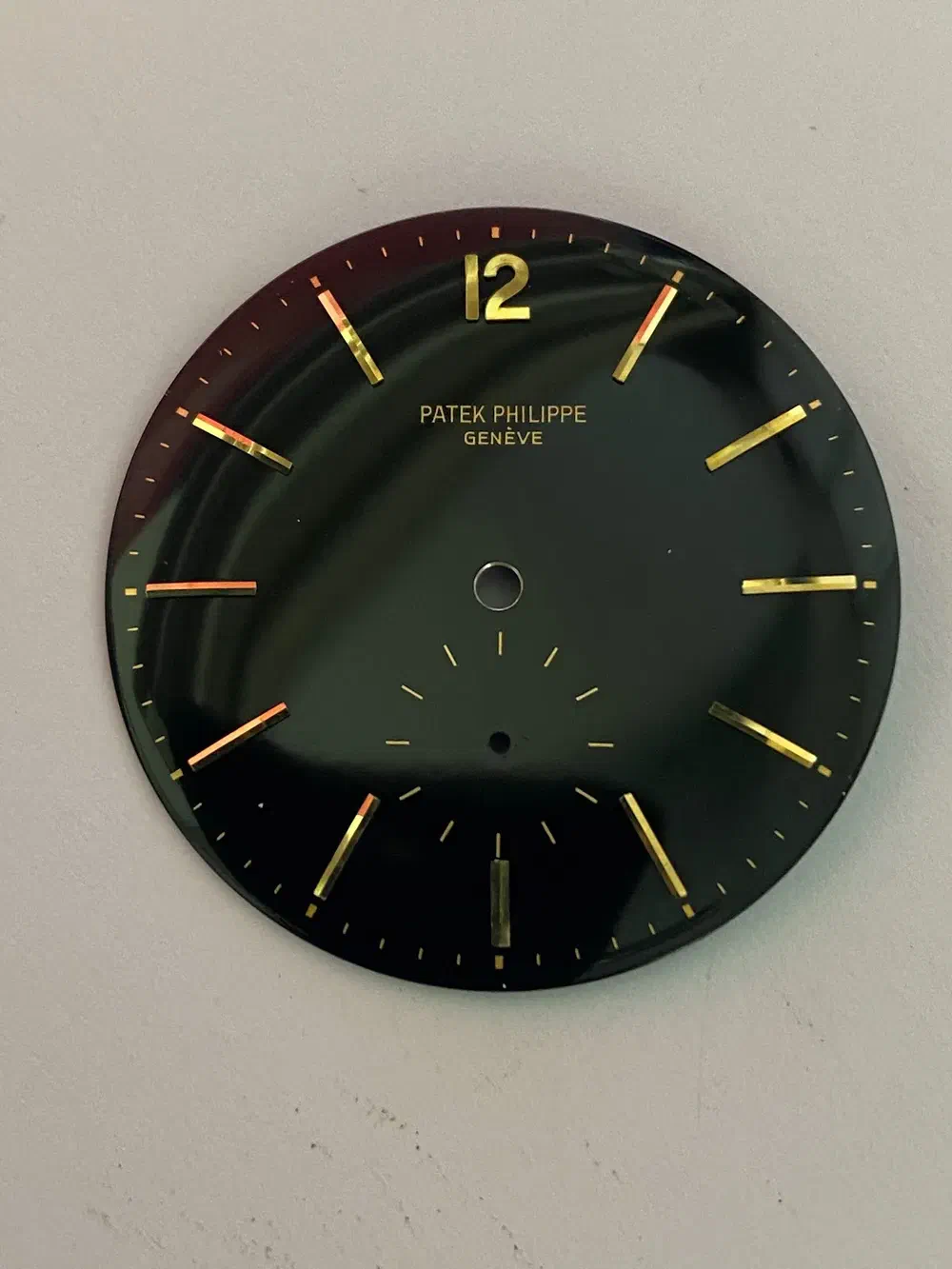
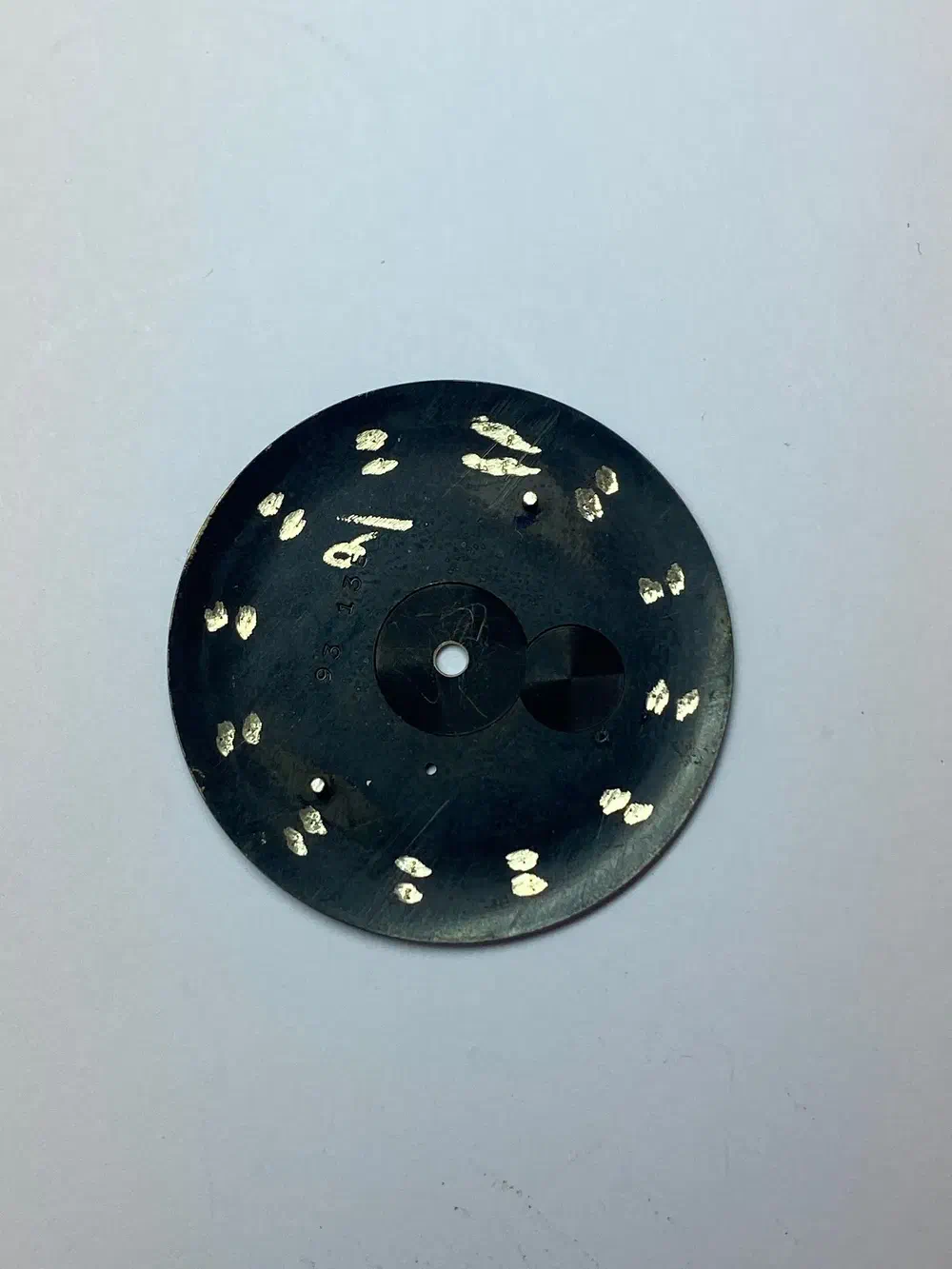
Patek Philippe 2584, 36 mm, 12-600 AT – black épargne dial by Stern
The dial is by Cadran Stern, made with the complex épargne technique. The base plate is first gilded, then the signature, minuterie and small seconds are protected with a special lacquer before the dial is coloured in a black galvanic bath. Once the black has dried, the protective lacquer is removed, and the hour batons and the 12 o’clock index are added later. The back of the dial shows all the correct original details.
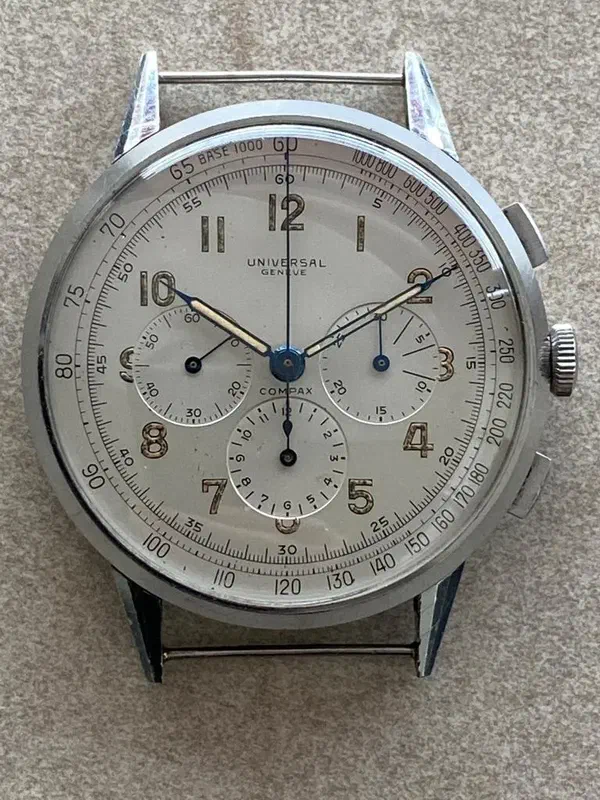
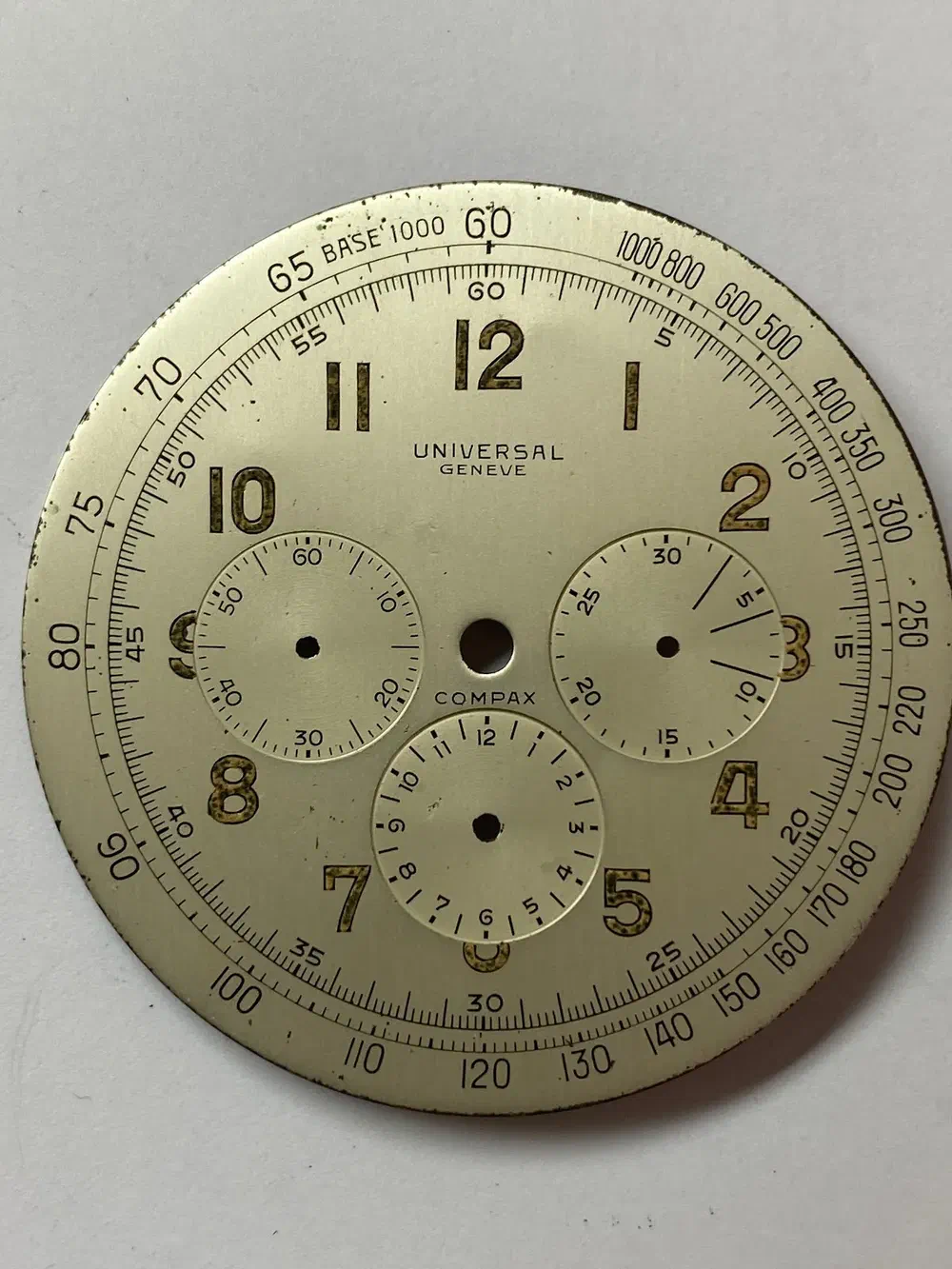
Universal Genève Compax, 1942, 46 mm – silver satin dial by Stern
The reverse of this original, untouched dial bears the punch mark and code of Stern Frères, a master dial maker of the period, famous for the quality of its dials and for the small but important details of their manufacture. The blank plate is silver galvanised with a vertical satin finish, and the recessed sub-dials are decorated with fine hand snailing. The plate is covered with a matt transparent lacquer called “sapon”, applied only on the front, which protects against oxidation. All inscriptions are then applied by pad printing using different clichés.
For the luminous radium, Stern sent the dial to an external supplier, as only two companies in Switzerland did this work. The Lanzett-style blued steel radium hands were most likely made by Fiedler Genève, the renowned hand maker and sole supplier to Stern Frères at the time. The minimal oxidation, especially where the dial meets the bezel and on the back, is a natural sign of age that underlines the untouched original condition.
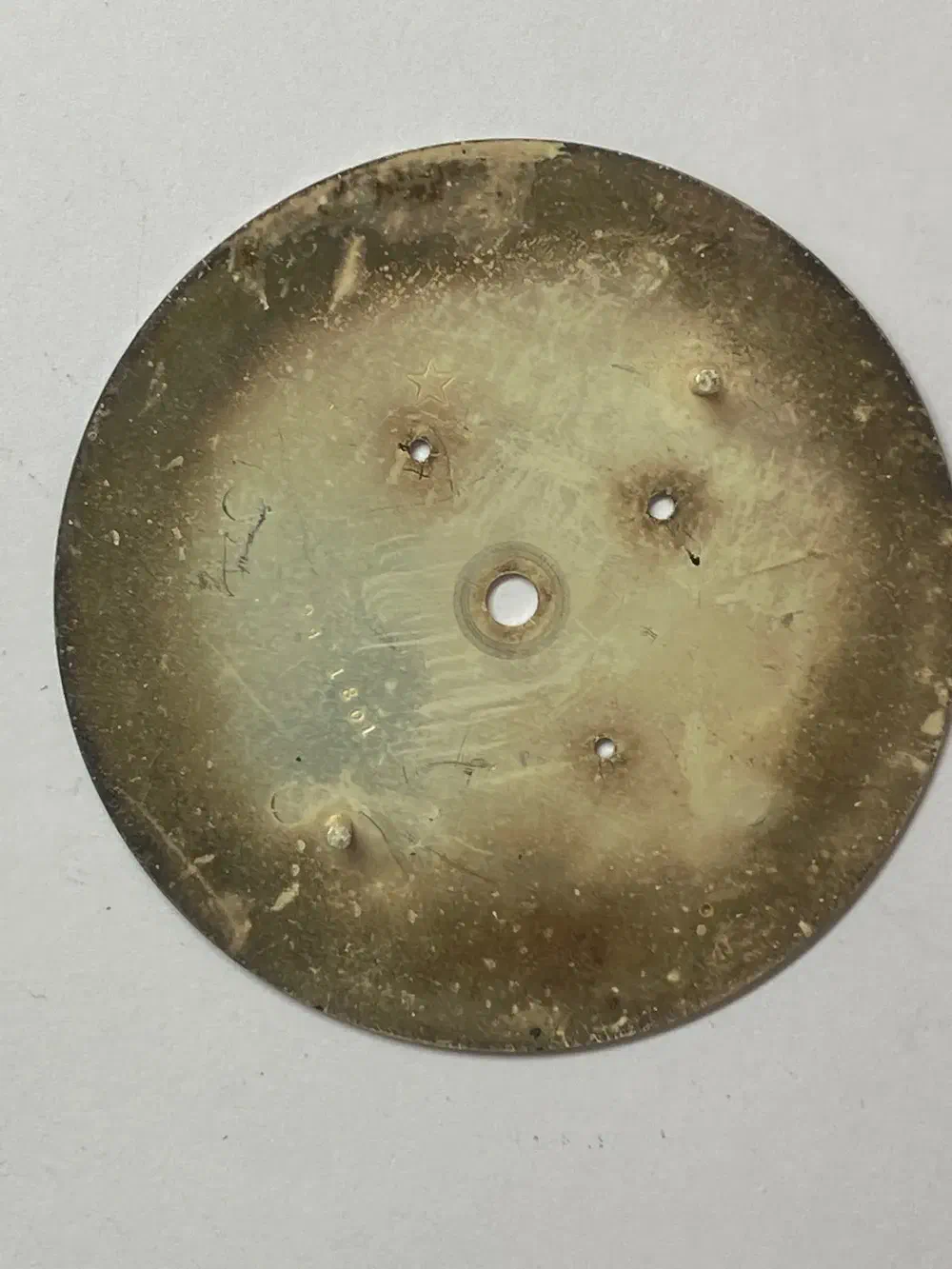
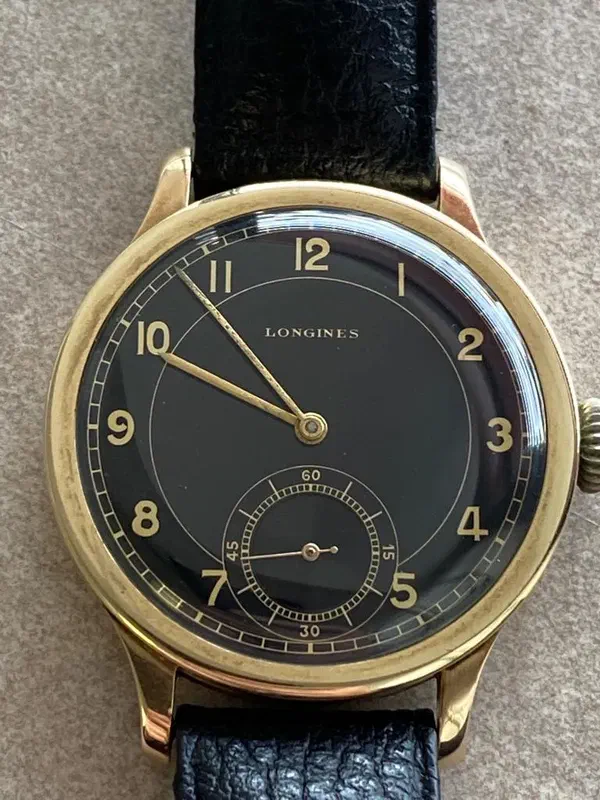
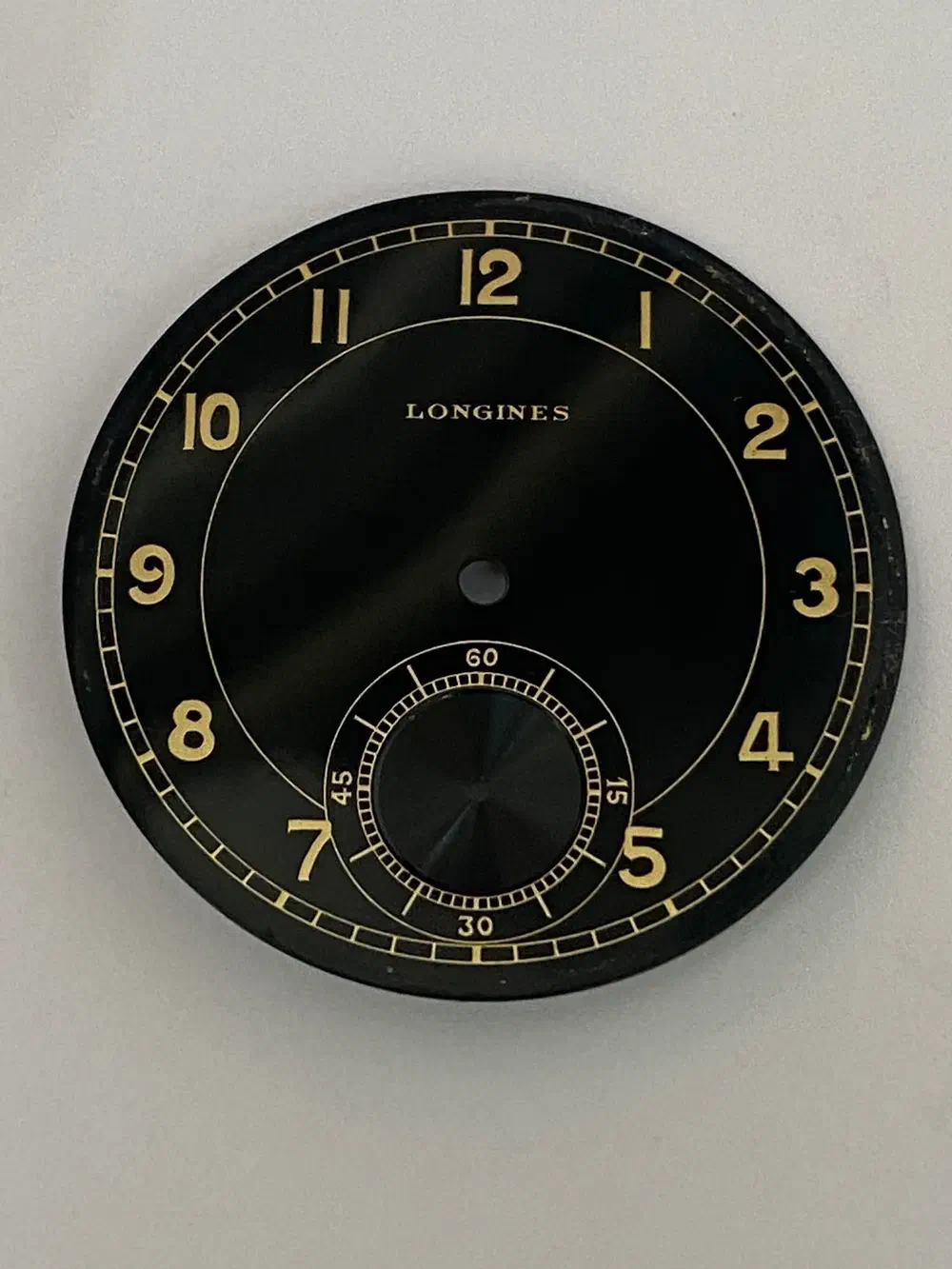
Longines Calatrava, 1938, 38 mm – black épargne dial by Lemmerich
A lovely and rarely seen black épargne dial by Lemmerich. Such dials were very complicated to make and add considerable value. Examination shows it to be entirely original and correctly stamped on the back, with the marks one expects from how the dial was made at the time.